
Industrial robots and cobots
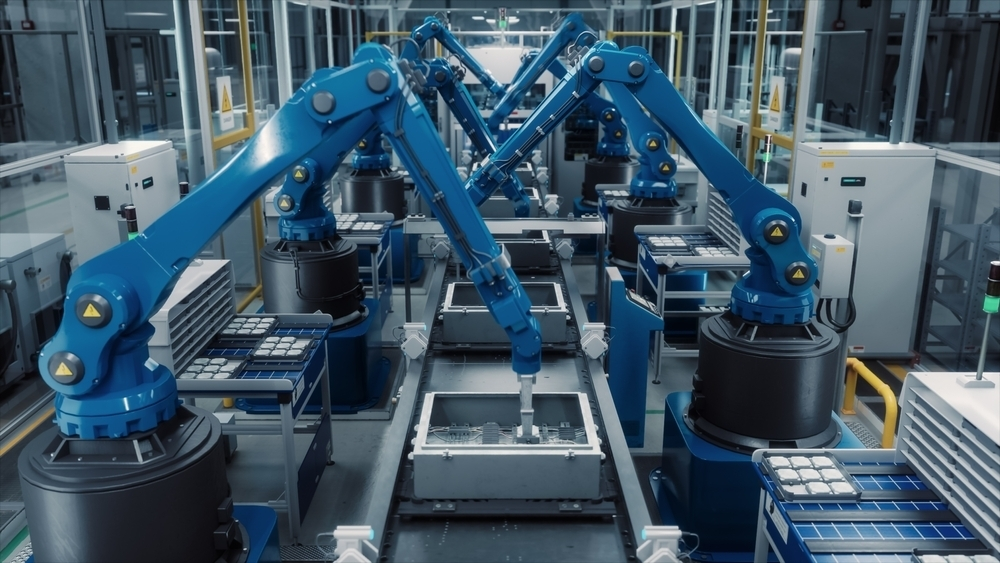
Robot packages identified by arm model, controller, payload, reach and included programming equipment.
Sell with ListingHippo
Automation equipment is easier to assess when the robot, controls, tooling and application are described together. ListingHippo helps Canadian manufacturers sell individual automation assets and integrated cells. Share the controller generation, payload and reach, included peripherals and available documentation so prospective buyers can understand what would be involved in putting the equipment back to work.
Technical details that help buyers decide.
Cataloging, marketing and transaction support.
Work around your assets, site and timing.
Robotics and automation · Seller’s guide
A robot arm, a working cell and an integrated production line are different sales propositions. Record the boundaries of your package: controller, teach pendant, end-of-arm tooling, vision equipment, conveyors and safety hardware. Buyers also need firmware, network interfaces and the status of software options or licenses. Where available, running video, fault history and electrical drawings help explain the system's condition and integration requirements. Identify excluded fixtures or proprietary programs early, and document connections before decommissioning separates equipment that belongs together.
Robot packages identified by arm model, controller, payload, reach and included programming equipment.
Application cells with tooling, positioners, controls and guarding clearly separated from excluded machinery.
End-of-line automation with handling capacity, conveyor scope, pallet formats and peripheral equipment documented.
Cameras, sensors and associated controls with model details and available software information.
Motion and transfer systems described by travel, working envelope, drives and controls.
Control hardware with exact part numbers, revisions, network interfaces and known testing status.
A managed selling process
You know your equipment. We help organize the information, reach buyers and keep the sale moving.
Build a clear equipment record: specifications, condition, photos and included assets. Discuss a site visit where appropriate.
Present the machinery professionally and market it through listings, sales channels and buyer outreach.
Manage inquiries and discuss offers, transaction details and payment arrangements with the parties involved.
Plan communication around pickup, site access and removal responsibilities so everyone knows the next step.
A sale should fit your operation. Scope, fees, timing and responsibilities are discussed before work begins.
A stronger start
A buyer needs to understand what the equipment can do, what is included and how it can leave your facility. Start with these details. If something is missing, tell us what you have.
Preparing for market
The equipment’s technical fit, condition and practical requirements all influence a buyer’s decision.
Controller model, firmware and supported options influence compatibility and the work needed for a new application.
Payload, reach, cycle requirements and included tooling determine which manufacturers or integrators can use the package.
Guarding, cabinets, pendants, cables and documentation help define how much integration work remains for the buyer.
Runtime hours, axis wear, alarm history and maintenance records support a more informed assessment of condition.
Include the manufacturer and exact model in your inquiry. Examples in this equipment category include:
Before you sell
Have a question about your equipment or the selling process? Let’s talk through it.
Call (647) 490-0455Yes, but identify exactly what remains with it. A robot-only listing should distinguish the arm from the controller, pendant, cables and tooling. Missing components affect the buyer’s integration work, so photographs and an accurate inventory matter more than a broad description.
Automation applications can depend on specific installed options, programming access or licensed packages. List what is present and what documentation you have. Do not assume a license can transfer with the hardware; its status needs to be established for the proposed sale.
Capture the running cell where practical, then photograph labels, controls and connections. List the components and available drawings, programs and backups. Clear identification of cables, peripherals and retained equipment helps preserve the package description as the system is disconnected and prepared for removal.
A custom line can be reviewed, especially when its application and equipment scope are well documented. Explain the parts it handles, cycle time, controls, fixtures and changeover limits. Buyers need that information to assess reuse, modification or the value of individual components.
More from your shop
Selling more than one type of machine? Explore the details to prepare for each category.
The buyer’s view
Explore current ListingHippo inventory and how equipment is presented to buyers.
Loading current equipment… Browse available machinery
Start with the machinery. We’ll help you plan the sale.
We use cookies to improve your experience. Privacy Policy.