
Press brakes and metal shears
Bending and shearing equipment described by rated capacity, working length, control, tooling and operating condition.
Sell with ListingHippo
Fabrication shops release equipment for many reasons: a different material mix, a new cutting process or a change in production volume. ListingHippo helps describe the machinery you are selling in practical terms, from bending capacity and cutting performance to tooling, controls and the supporting equipment included in a complete line.
Technical details that help buyers decide.
Cataloging, marketing and transaction support.
Work around your assets, site and timing.
Fabrication machinery · Seller’s guide
Fabrication machinery covers distinct processes, so useful specifications depend on the equipment being sold. A press brake needs tonnage, working length and backgauge details; a cutting system needs its power source, material capacity and working area. Rolls, benders and welding systems require their own configuration information. Across the category, identify controls, tooling, automation and the condition of working components. A clear record of included equipment, electrical requirements and removal access helps prospective buyers judge both production fit and the practical scope of moving the machinery.
Bending and shearing equipment described by rated capacity, working length, control, tooling and operating condition.
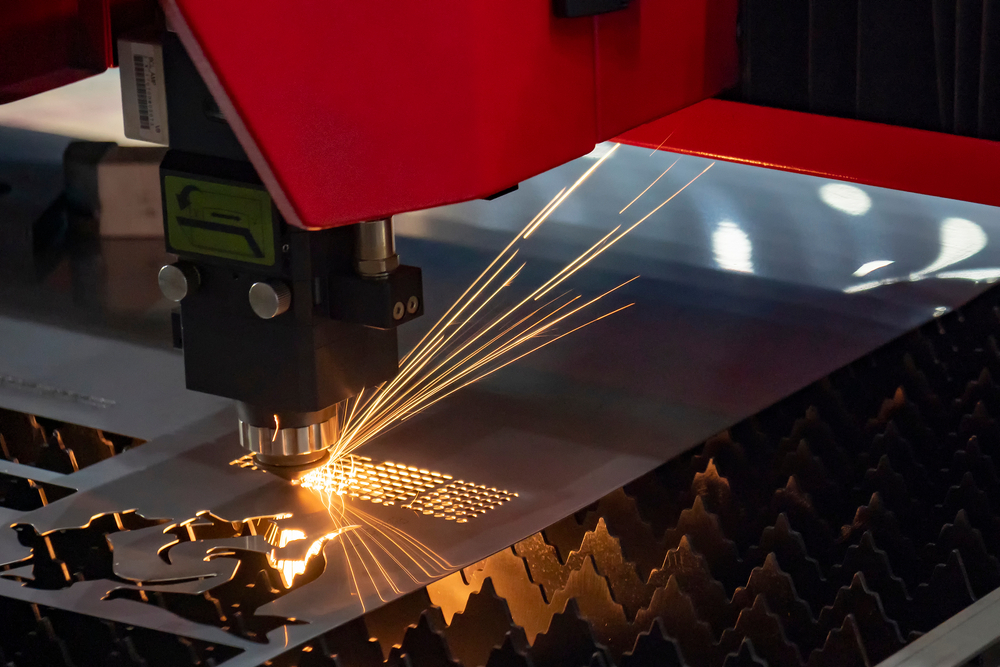
Cutting systems with documented working area, power source, material capability and supporting consumable systems.
Forming equipment with capacity, machine configuration, controls and known mechanical condition identified for review.
Bending machines listed with capacity, control information, included tooling and details of their operating condition.
Fabrication machines with applicable punching or cutting capacities, tooling and accessories clearly recorded.
Power sources and robotic welding packages described by process, output, accessories and complete system configuration.
Connected machinery packages with individual equipment specifications, automation, layout and included components itemized.
A managed selling process
You know your equipment. We help organize the information, reach buyers and keep the sale moving.
Build a clear equipment record: specifications, condition, photos and included assets. Discuss a site visit where appropriate.
Present the machinery professionally and market it through listings, sales channels and buyer outreach.
Manage inquiries and discuss offers, transaction details and payment arrangements with the parties involved.
Plan communication around pickup, site access and removal responsibilities so everyone knows the next step.
A sale should fit your operation. Scope, fees, timing and responsibilities are discussed before work begins.
A stronger start
A buyer needs to understand what the equipment can do, what is included and how it can leave your facility. Start with these details. If something is missing, tell us what you have.
Preparing for market
The equipment’s technical fit, condition and practical requirements all influence a buyer’s decision.
Tonnage, working length, thickness capacity and table size connect each machine to a buyer’s requirements.
Laser sources, plasma supplies, pumps, tooling and forming components need equipment-specific condition evidence.
Control generation, nesting software and fitted material-handling systems help define the production configuration.
Included tooling, electrical requirements, machine footprint and disassembly needs affect the overall acquisition.
Include the manufacturer and exact model in your inquiry. Examples in this equipment category include:
Before you sell
Have a question about your equipment or the selling process? Let’s talk through it.
Call (647) 490-0455Send details of cutting, bending, shearing, rolling, punching or welding equipment, including complete fabrication lines. Identify the process and capacity of each machine, its control and current condition. For connected systems, include a layout and an inventory of the components proposed for sale.
List the machine’s actual installed functions and give capacity information for each relevant process. Separate standard equipment from fitted options and accessories. Buyers need to understand the configuration being offered, especially when tooling, power sources or material-handling equipment serve more than one machine.
Provide details of the complete line and identify the individual machines, controls and shared equipment. State any operational or removal constraints. The practical sale structure depends on buyer requirements, compatibility and whether separating components would leave either party with an incomplete system.
Use recent production footage, service records and clear photos of working components. Document the results relevant to the process, such as a cut edge or formed part, without claiming unverified tolerances. Include known faults, wear and any limits on demonstrating the equipment before removal.
More from your shop
Selling more than one type of machine? Explore the details to prepare for each category.
The buyer’s view
Explore current ListingHippo inventory and how equipment is presented to buyers.
Loading current equipment… Browse available machinery
Start with the machinery. We’ll help you plan the sale.
We use cookies to improve your experience. Privacy Policy.