
Gravity and overflow fillers
Record container range, fill heads, product characteristics, speed and the available operating evidence.
Sell with ListingHippo
A filler must match the product as well as the container. ListingHippo helps Canadian plants sell liquid, powder and viscous-product filling equipment with clear application details. Share the fill method, container range, sustained speed and included nozzles or change parts so buyers can assess how the machine might fit their production line.
Technical details that help buyers decide.
Cataloging, marketing and transaction support.
Work around your assets, site and timing.
Filling Machines · Seller’s guide
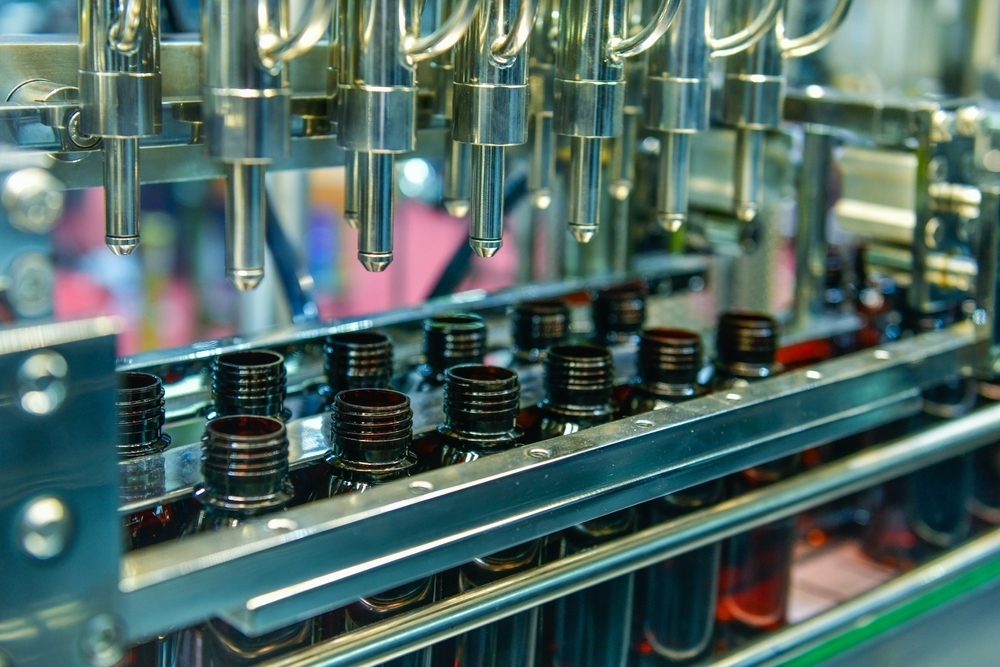
Filling technology alone does not define compatibility. Describe the previous product’s viscosity, foaming, particulates and filling temperature, then record the fill-volume range and container dimensions. Show the nozzles, pumps, product path and control panel. Buyers also need to know whether the machine is a standalone filler, a fill-and-cap monoblock or part of a larger line. Maintenance records, accuracy evidence and a video using an identified container format help explain actual performance and the condition of product-contact components.
Record container range, fill heads, product characteristics, speed and the available operating evidence.
Describe dose range, product viscosity, installed pumps or pistons, nozzles and contact materials.
Identify the measurement system, dosing range, controls, documented accuracy and calibration history.
List auger tooling, hopper details, dose range, powder application and dust handling connections.
Describe documented operating conditions, cleaning features, utility requirements and available process records.
Inventory capping equipment, conveyors, tanks, pumps and controls included with the filler.
A managed selling process
You know your equipment. We help organize the information, reach buyers and keep the sale moving.
Build a clear equipment record: specifications, condition, photos and included assets. Discuss a site visit where appropriate.
Present the machinery professionally and market it through listings, sales channels and buyer outreach.
Manage inquiries and discuss offers, transaction details and payment arrangements with the parties involved.
Plan communication around pickup, site access and removal responsibilities so everyone knows the next step.
A sale should fit your operation. Scope, fees, timing and responsibilities are discussed before work begins.
A stronger start
A buyer needs to understand what the equipment can do, what is included and how it can leave your facility. Start with these details. If something is missing, tell us what you have.
Preparing for market
The equipment’s technical fit, condition and practical requirements all influence a buyer’s decision.
Viscosity, particulates, foaming and fill volume determine the machine’s potential application fit.
Documented accuracy, drip control and sustained speed provide context for the machine’s rated output.
Nozzles, guides, starwheels and change parts define the container formats actually supported.
Contact surfaces, seals, cleaning features and product history affect the buyer’s refurbishment assessment.
Include the manufacturer and exact model in your inquiry. Examples in this equipment category include:
Before you sell
Have a question about your equipment or the selling process? Let’s talk through it.
Call (647) 490-0455A filling system that handled a free-flowing liquid may not suit a paste or particulate product. Describe the previous application, filling temperature and any known viscosity or foaming characteristics. Buyers can then assess the fill technology, pumps, seals and nozzles against their own product.
State sustained output alongside the container size, dose and product used. Include the manufacturer’s rated output separately if it is documented. A video showing the complete fill cycle can help buyers understand the conditions behind the figure and the machine’s current operation.
Yes, but identify it as a standalone machine and explain any shared controls, conveyors or guarding that are absent. Photograph the infeed and discharge areas. This gives buyers a clearer basis for assessing the work needed to integrate the filler into another line.
Include nozzles, pistons, augers, guides, starwheels and other format-specific items, with quantities and sizes where known. Photograph loose parts and identify compatible containers. A broad container range should only be claimed when the relevant tooling or documented adjustment capability is available.
More from your shop
Selling more than one type of machine? Explore the details to prepare for each category.
The buyer’s view
Explore current ListingHippo inventory and how equipment is presented to buyers.
Loading current equipment… Browse available machinery
Start with the machinery. We’ll help you plan the sale.
We use cookies to improve your experience. Privacy Policy.