
Crushers and screens
Crushing and screening assets with capacity, configuration, wear condition and service history documented.
Sell with ListingHippo
Mining and aggregate buyers look closely at duty, wear and the work completed on major components. ListingHippo helps Canadian sellers present mining machinery and processing assets with that context. Share capacity, hours, application and rebuild records, alongside site access and transport information, to give buyers a practical basis for reviewing the equipment.
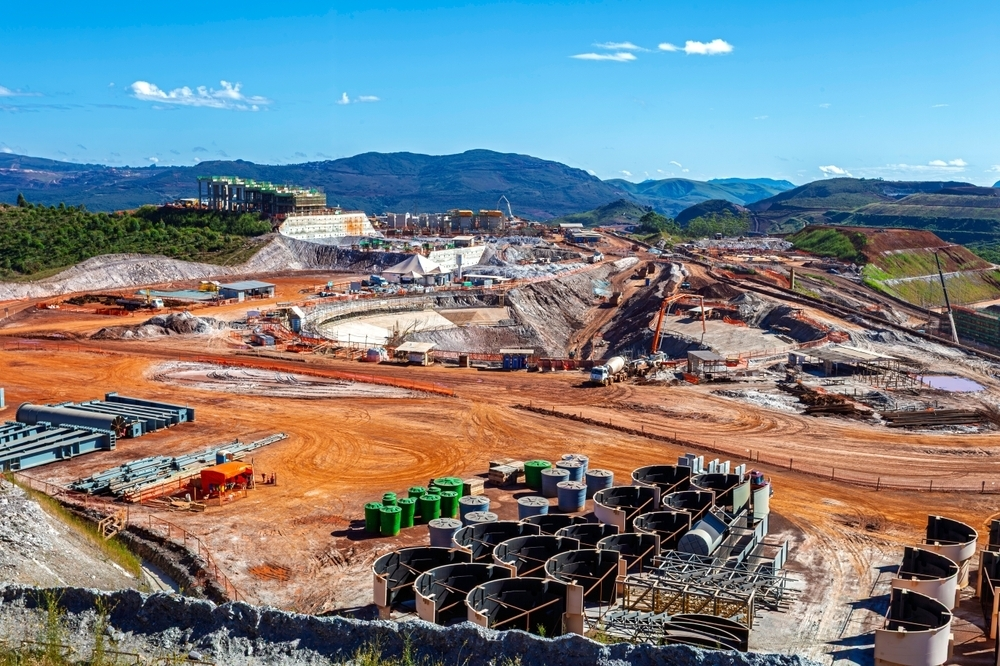
Technical details that help buyers decide.
Cataloging, marketing and transaction support.
Work around your assets, site and timing.
Mining equipment · Seller’s guide
A crusher's throughput or a truck's hours are most useful when the operating application is clear. Describe the material and duty, machine configuration, installed power and known output. Separate engine, frame and component hours where records allow, and identify major rebuilds without assuming the entire machine was renewed. Photograph liners, screens, bearings, tires or tracks as relevant. For fixed plants, define included conveyors, feeders and controls. Site location, disassembly needs and lifting access should be documented alongside the technical specifications.
Crushing and screening assets with capacity, configuration, wear condition and service history documented.
Mineral-processing machinery with duty, throughput, drive specifications and included auxiliary equipment identified.
Production and underground units described by configuration, hours, major components and known condition.
Mobile mining equipment with engine and frame hours, tires or tracks and rebuild records.
Material transfer assets with operating capacity, dimensions, drives and included controls clearly listed.
Processing support equipment with application, operating specifications, wear details and component scope documented.
A managed selling process
You know your equipment. We help organize the information, reach buyers and keep the sale moving.
Build a clear equipment record: specifications, condition, photos and included assets. Discuss a site visit where appropriate.
Present the machinery professionally and market it through listings, sales channels and buyer outreach.
Manage inquiries and discuss offers, transaction details and payment arrangements with the parties involved.
Plan communication around pickup, site access and removal responsibilities so everyone knows the next step.
A sale should fit your operation. Scope, fees, timing and responsibilities are discussed before work begins.
A stronger start
A buyer needs to understand what the equipment can do, what is included and how it can leave your facility. Start with these details. If something is missing, tell us what you have.
Preparing for market
The equipment’s technical fit, condition and practical requirements all influence a buyer’s decision.
Hard-rock, aggregate and other applications place different demands on equipment with otherwise similar model descriptions.
Liners, bearings, pumps, tires and major assemblies need condition evidence beyond overall machine hours.
Dates, scope and service records help buyers distinguish recently replaced components from the remaining original equipment.
Remote access, oversize dimensions, lifting needs and disassembly can materially affect the practical cost of acquisition.
Include the manufacturer and exact model in your inquiry. Examples in this equipment category include:
Before you sell
Have a question about your equipment or the selling process? Let’s talk through it.
Call (647) 490-0455Provide engine, frame and major component hours separately when available. If a component has been rebuilt or replaced, identify the work and supporting records. Do not treat a component-hour reading as the age of the whole machine; buyers need the distinction to assess condition.
Include the model, installed configuration and any documented capacity figures, with the material and operating conditions that produced them. Feed characteristics and setup can affect output. A clear account of actual use is more useful than presenting a nominal rating as a guaranteed production result.
Yes. Provide a flow or layout drawing and an inventory of crushers, screens, feeders, conveyors, controls and support equipment. Identify shared infrastructure and excluded items. Buyers need to understand the system boundaries as well as the condition and removal requirements of each major asset.
They can affect inspection, loading and transport planning. State the pickup location, road access, site requirements and any available lifting support. Include dimensions and weights where known, and note disassembly needs so buyers can assess collection alongside the equipment’s technical and operating condition.
More from your shop
Selling more than one type of machine? Explore the details to prepare for each category.
The buyer’s view
Explore current ListingHippo inventory and how equipment is presented to buyers.
Loading current equipment… Browse available machinery
Start with the machinery. We’ll help you plan the sale.
We use cookies to improve your experience. Privacy Policy.