
Selective pallet racking
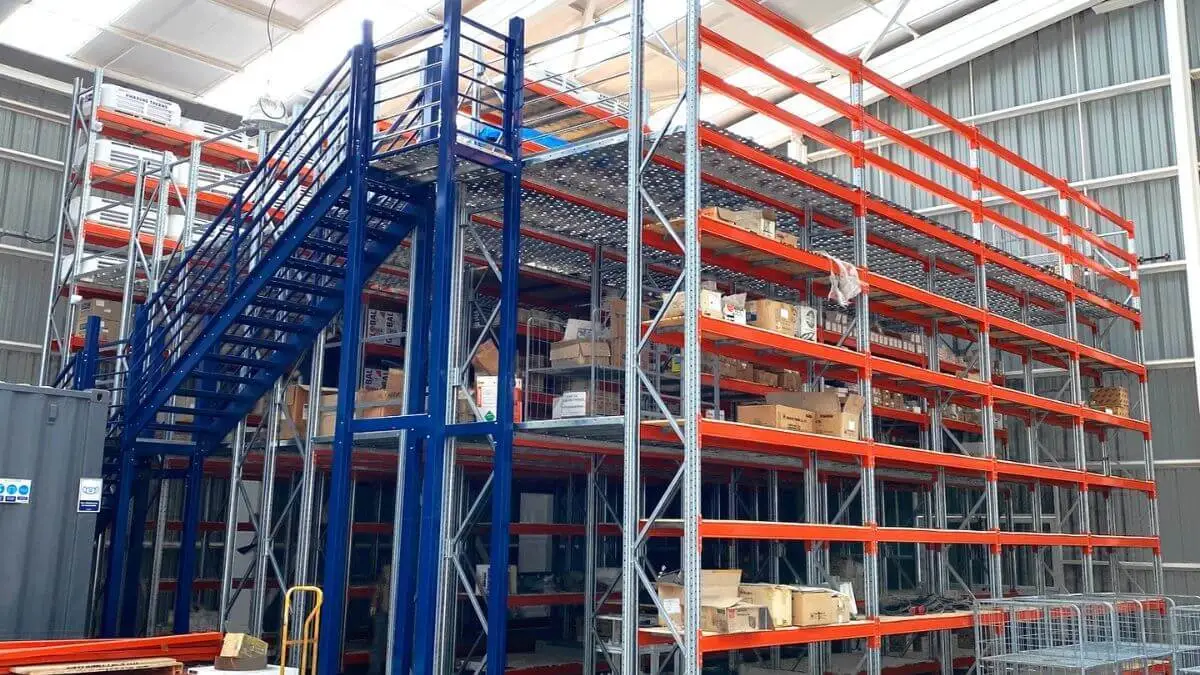
Beam-and-upright storage packages with dimensions, component counts, connection style and available ratings recorded.
Sell with ListingHippo
Storage equipment is easiest to assess when every bay, beam and accessory is accounted for. ListingHippo helps Canadian warehouses and industrial facilities sell racking, shelving and storage packages with quantities and configuration clearly documented. Start with dimensions, available load information and photographs of connections and damage, then define what is included in the removal.
Technical details that help buyers decide.
Cataloging, marketing and transaction support.
Work around your assets, site and timing.
Storage equipment · Seller’s guide
Record the storage type, manufacturer where known, upright heights, beam lengths, bay depths and number of levels. Count beams, frames, decking and accessories separately rather than relying only on an overall bay count. Photograph connection styles and identify bent components, corrosion or repairs. Include load plaques and drawings if available, while keeping undocumented capacities clearly identified as unknown. State which guards, spacers, pins and hardware are included, and whether the equipment remains installed or has already been bundled for loading.
Beam-and-upright storage packages with dimensions, component counts, connection style and available ratings recorded.
Higher-density systems with layout, lane configuration, specialized components and known condition documented.
Long-material storage with arm dimensions, upright configuration, quantities and available capacity information listed.
Industrial storage assets with section sizes, shelf counts, dividers and included accessories identified.
Storage platforms with footprint, height, components and available drawings or capacity information documented.
Grouped workplace storage equipment with dimensions, quantities, condition and accessory scope clearly described.
A managed selling process
You know your equipment. We help organize the information, reach buyers and keep the sale moving.
Build a clear equipment record: specifications, condition, photos and included assets. Discuss a site visit where appropriate.
Present the machinery professionally and market it through listings, sales channels and buyer outreach.
Manage inquiries and discuss offers, transaction details and payment arrangements with the parties involved.
Plan communication around pickup, site access and removal responsibilities so everyone knows the next step.
A sale should fit your operation. Scope, fees, timing and responsibilities are discussed before work begins.
A stronger start
A buyer needs to understand what the equipment can do, what is included and how it can leave your facility. Start with these details. If something is missing, tell us what you have.
Preparing for market
The equipment’s technical fit, condition and practical requirements all influence a buyer’s decision.
Manufacturer line, connection style and component sizes influence whether a buyer can use or expand the package.
Accurate counts of uprights, beams, decking and accessories establish the usable scope of the storage inventory.
Bent members, missing pins, corrosion and available load documentation affect how buyers assess the offered components.
Installed layout, clearance dates, bundling and truck access influence the practical work required to collect the equipment.
Include the manufacturer and exact model in your inquiry. Examples in this equipment category include:
Before you sell
Have a question about your equipment or the selling process? Let’s talk through it.
Call (647) 490-0455Provide both when possible. Bay counts explain the installed layout, while separate counts of uprights, beams, decking and accessories establish the inventory being sold. Record beam lengths, upright dimensions and connection details so buyers can assess how the package could be arranged.
Mark the capacity as unknown and share any manufacturer labels, load plaques, drawings or purchase records available. Do not infer a rating from appearance or similar equipment. Buyers need reliable identification and documentation to assess the components for their proposed storage arrangement.
Identify damaged components separately and photograph bends, corrosion, repairs or missing parts. Avoid counting them as equivalent to undamaged usable inventory. Clear disclosure lets the package be reviewed accurately and prevents buyers from assuming that every listed component is suitable for reuse.
It can be reviewed installed or dismantled, but an installed layout and connection photos are useful before removal. If already dismantled, provide counted bundles and photographs. State the pickup condition and included hardware so the buyer understands what will actually be loaded.
More from your shop
Selling more than one type of machine? Explore the details to prepare for each category.
The buyer’s view
Explore current ListingHippo inventory and how equipment is presented to buyers.
Loading current equipment… Browse available machinery
Start with the machinery. We’ll help you plan the sale.
We use cookies to improve your experience. Privacy Policy.