
Paper machines and sections
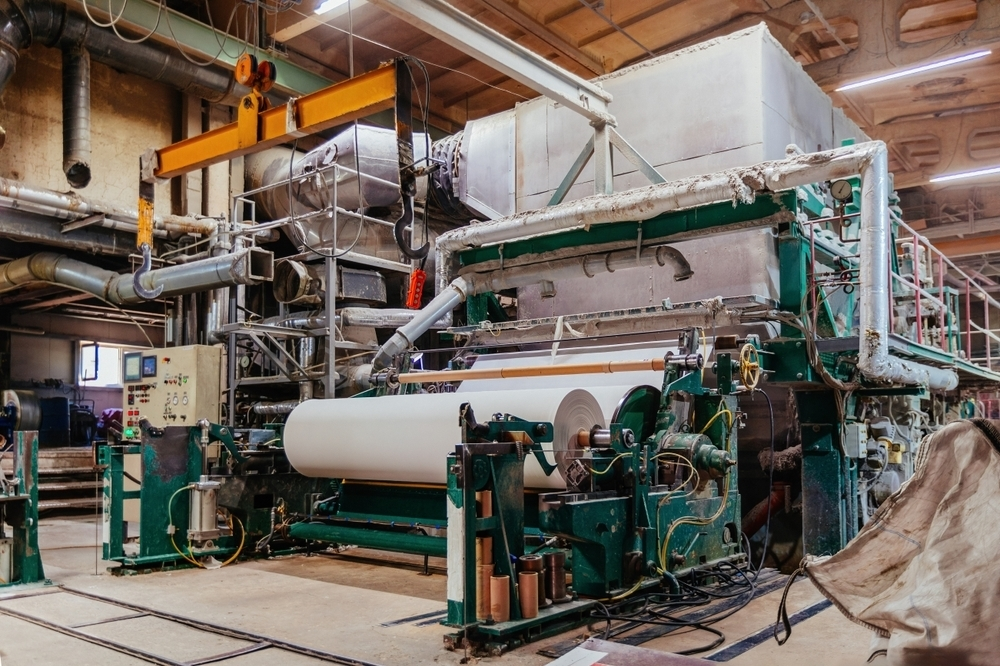
Production equipment with web width, speed, basis weight range and section configuration documented.
Sell with ListingHippo
A mill or converter needs to understand the process fit of used equipment before considering a purchase. ListingHippo helps Canadian facilities sell pulp, paper and converting assets with width, speed, controls and condition clearly documented. Define the equipment package, utilities and available drawings so buyers can assess both production suitability and relocation requirements.
Technical details that help buyers decide.
Cataloging, marketing and transaction support.
Work around your assets, site and timing.
Pulp and paper equipment · Seller’s guide
Web width and design speed are useful starting points, but buyers also need basis weight range, actual output and section configuration. Record forming, press and dryer sections where relevant, or unwind, rewind and roll-handling details for converting equipment. Identify the DCS or PLC, drives, instrumentation and utility needs. Rebuild records, roll resurfacing and control upgrades help explain the machine's current configuration. List auxiliary pumps, tanks, guards and spares explicitly, and describe the dismantling access and transport requirements for the complete package.
Production equipment with web width, speed, basis weight range and section configuration documented.
Converting machines with unwind and rewind specifications, cutting configuration and roll-handling equipment identified.
Web-processing assets with working width, station configuration, drives and relevant utility requirements described.
Specialized lines with production range, controls, included sections and available maintenance history recorded.
Pulpers, refiners, screens and filters with process capacity, construction and drive details listed.
Pumps, dryers and balers offered with specifications, condition notes and included auxiliary components.
A managed selling process
You know your equipment. We help organize the information, reach buyers and keep the sale moving.
Build a clear equipment record: specifications, condition, photos and included assets. Discuss a site visit where appropriate.
Present the machinery professionally and market it through listings, sales channels and buyer outreach.
Manage inquiries and discuss offers, transaction details and payment arrangements with the parties involved.
Plan communication around pickup, site access and removal responsibilities so everyone knows the next step.
A sale should fit your operation. Scope, fees, timing and responsibilities are discussed before work begins.
A stronger start
A buyer needs to understand what the equipment can do, what is included and how it can leave your facility. Start with these details. If something is missing, tell us what you have.
Preparing for market
The equipment’s technical fit, condition and practical requirements all influence a buyer’s decision.
Web width, speed, throughput and basis weight determine whether the equipment fits a buyer’s process.
Roll regrinds, resurfacing, component replacement and control retrofits help explain the current condition and configuration.
Drive packages, DCS or PLC details, steam, vacuum and electrical needs influence the scope of relocation.
Auxiliary equipment, drawings, tooling and spare parts change what the buyer receives and must source separately.
Include the manufacturer and exact model in your inquiry. Examples in this equipment category include:
Before you sell
Have a question about your equipment or the selling process? Let’s talk through it.
Call (647) 490-0455Start with web width, design speed, actual operating output and basis weight range. Describe the forming, press and dryer configuration and the controls package. Available drawings, utility requirements and rebuild history help buyers understand the installed machine beyond its original nameplate specifications.
Yes. Identify the section boundaries and every component included, such as drives, guards, controls and auxiliary equipment. Explain any shared utilities or controls retained elsewhere in the mill. Buyers need that distinction to assess whether the section can be adapted to another installation.
List the work performed, approximate dates and any supporting service records. Distinguish roll resurfacing or wear-part replacement from broader mechanical rebuilds or control retrofits. Photos and records help buyers assess the present configuration without assuming every component was renewed at the same time.
Photograph the installation and identification plates, preserve available layouts and electrical drawings, and inventory auxiliaries and spares. Note utility connections, component weights if known and crane access. Those details help buyers assess the equipment package and the practical work involved in relocating it.
More from your shop
Selling more than one type of machine? Explore the details to prepare for each category.
The buyer’s view
Explore current ListingHippo inventory and how equipment is presented to buyers.
Loading current equipment… Browse available machinery
Start with the machinery. We’ll help you plan the sale.
We use cookies to improve your experience. Privacy Policy.