
Mixers, tanks and kettles
State working capacity, agitation, heating or cooling features, contact materials and discharge arrangement.
Sell with ListingHippo
Food and beverage equipment needs to fit both the product and the way a plant cleans and operates. ListingHippo helps Canadian processors sell surplus mixing, thermal processing, filling and packaging assets. Provide the previous application, throughput, contact materials and cleaning history so buyers can evaluate the equipment with a clear understanding of its condition.
Technical details that help buyers decide.
Cataloging, marketing and transaction support.
Work around your assets, site and timing.
Food and Beverage Equipment · Seller’s guide
The condition of product-contact surfaces matters as much as the exterior finish. Photograph accessible welds, seals, gaskets and drainage points, and identify the construction material where documented. Explain the product’s viscosity, particulates or temperature requirements when describing previous service. For a processing line, list tanks, pumps, valves and controls alongside the main machines. Cleaning features, utility loads and service records help buyers assess whether the equipment suits their intended production and what inspection, refurbishment or recommissioning work may be needed.
State working capacity, agitation, heating or cooling features, contact materials and discharge arrangement.
Provide process type, flow range, holding details, heat exchange configuration and controls documentation.
Document the model, throughput, previous product, drive details and available service or rebuild history.
Describe ovens, fryers or slicers by product application, capacity, utilities and accessible food-contact condition.
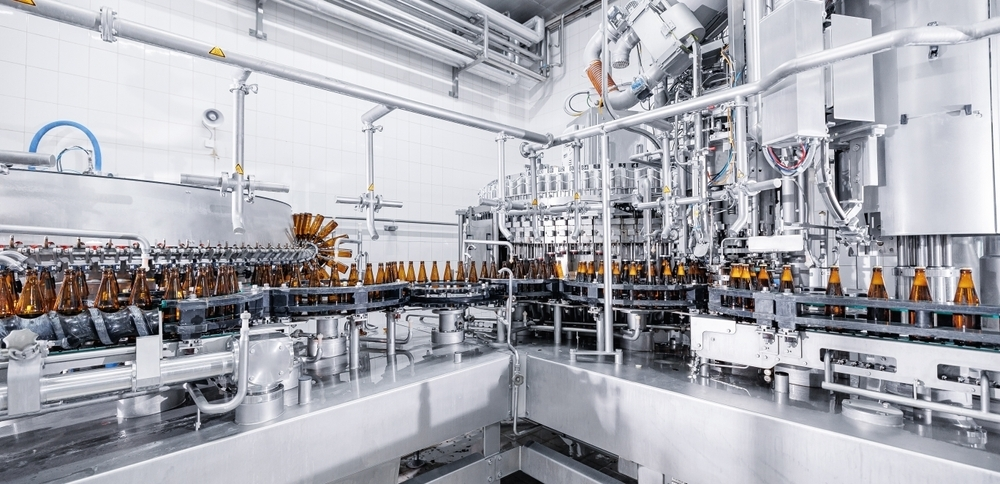
Identify container formats, throughput, sanitation features, change parts and included conveyors or inspection.
List cooling or cleaning equipment, rated capacity, utility connections and the components included.
A managed selling process
You know your equipment. We help organize the information, reach buyers and keep the sale moving.
Build a clear equipment record: specifications, condition, photos and included assets. Discuss a site visit where appropriate.
Present the machinery professionally and market it through listings, sales channels and buyer outreach.
Manage inquiries and discuss offers, transaction details and payment arrangements with the parties involved.
Plan communication around pickup, site access and removal responsibilities so everyone knows the next step.
A sale should fit your operation. Scope, fees, timing and responsibilities are discussed before work begins.
A stronger start
A buyer needs to understand what the equipment can do, what is included and how it can leave your facility. Start with these details. If something is missing, tell us what you have.
Preparing for market
The equipment’s technical fit, condition and practical requirements all influence a buyer’s decision.
Viscosity, particulates and temperature requirements determine which buyers can use a given process design.
Contact surfaces, seals, drainage and cleaning features affect inspection and refurbishment requirements.
Batch size, flow rate or sustained line speed gives context to nameplate capacity.
Pumps, valves, controls and drawings help a buyer assess the completeness of the equipment package.
Include the manufacturer and exact model in your inquiry. Examples in this equipment category include:
Before you sell
Have a question about your equipment or the selling process? Let’s talk through it.
Call (647) 490-0455Yes. Identify the previous product types, known allergen use and cleaning status as accurately as your records allow. Buyers need that history when evaluating their intended application. It is useful alongside photographs of contact surfaces, seal details and any available cleaning or maintenance documentation.
Stainless construction is one useful specification, but buyers also review surface condition, welds, seals, drainage, cleaning features and previous service. Describe those details separately. Suitability for a new product or facility still depends on the buyer’s assessment and the condition of the actual equipment.
Yes. Build an equipment register with the make, model and serial number of each machine, then include a layout showing conveyors, piping and control connections. Explain which components were operated together and identify any shared utilities or equipment excluded from the sale.
Provide dated operating video, maintenance records, prior capacity records and photographs from before disconnection when available. State when the equipment last ran and how it has been stored. Current photographs should show the condition buyers will actually find at inspection or pickup.
More from your shop
Selling more than one type of machine? Explore the details to prepare for each category.
The buyer’s view
Explore current ListingHippo inventory and how equipment is presented to buyers.
Loading current equipment… Browse available machinery
Start with the machinery. We’ll help you plan the sale.
We use cookies to improve your experience. Privacy Policy.