
Mechanical stamping presses
Presses with rated tonnage, stroke, bed dimensions, speed and available mechanical service history documented.
Sell with ListingHippo
Stamping presses are often released when tooling, product volumes or line requirements change. ListingHippo helps manufacturers and tool and die shops describe the press and its surrounding equipment, with the force, stroke, bed dimensions, controls and operating history that buyers need to assess it for their own tooling and production.
Technical details that help buyers decide.
Cataloging, marketing and transaction support.
Work around your assets, site and timing.
Stamping presses · Seller’s guide
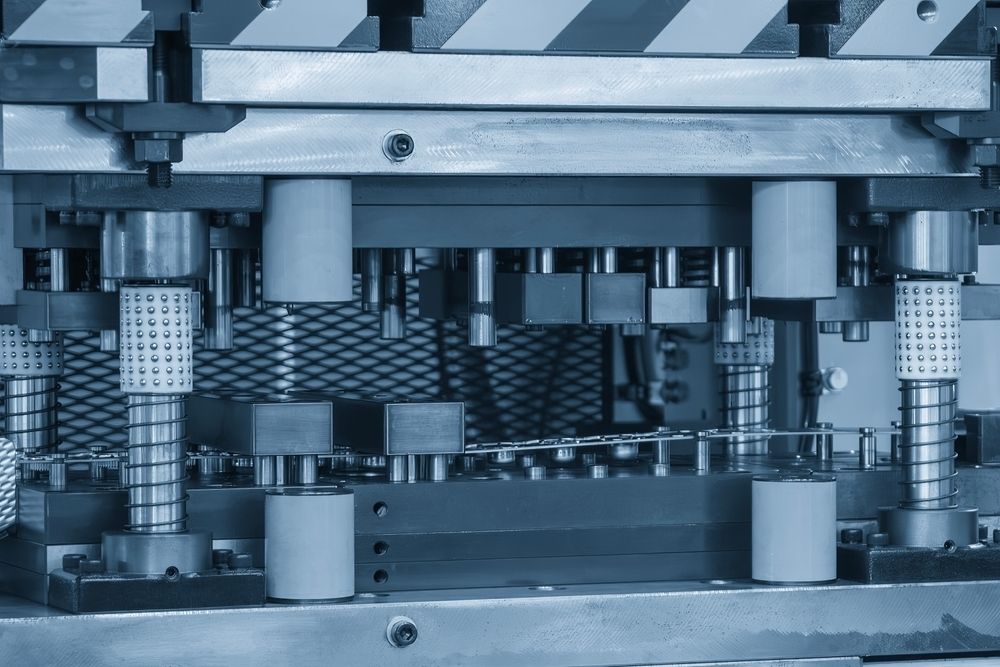
The press type and frame configuration should be clear before capacity is discussed. Record rated tonnage, stroke length, bed dimensions, daylight and operating speed, together with the control and feed arrangements. Identify mechanical, hydraulic or servo operation and whether the equipment serves a single station or a progressive application. Document alignment, wear, maintenance and known downtime issues. Dies, feeders, stackers and handling equipment need a separate inventory. Photographs of the complete installation and available drawings help buyers assess the offered package and plan the scope of removal.
Presses with rated tonnage, stroke, bed dimensions, speed and available mechanical service history documented.
Hydraulic machines described by force, stroke, daylight, bed size, controls and current hydraulic condition.
Presses with identified servo operation, controls, rated capacity, production configuration and available service records.
Press packages with feeder, tooling and connected equipment clearly identified alongside the press specifications.
Individual stamping machines with frame configuration, working dimensions, operating condition and included tooling documented.
A managed selling process
You know your equipment. We help organize the information, reach buyers and keep the sale moving.
Build a clear equipment record: specifications, condition, photos and included assets. Discuss a site visit where appropriate.
Present the machinery professionally and market it through listings, sales channels and buyer outreach.
Manage inquiries and discuss offers, transaction details and payment arrangements with the parties involved.
Plan communication around pickup, site access and removal responsibilities so everyone knows the next step.
A sale should fit your operation. Scope, fees, timing and responsibilities are discussed before work begins.
A stronger start
A buyer needs to understand what the equipment can do, what is included and how it can leave your facility. Start with these details. If something is missing, tell us what you have.
Preparing for market
The equipment’s technical fit, condition and practical requirements all influence a buyer’s decision.
Tonnage, stroke, bed size and daylight establish the press’s capacity and tooling envelope.
Frame configuration and mechanical, hydraulic or servo operation influence suitability for the intended application.
Control hardware, feeders, die handling and associated automation define the production package.
Wear, alignment evidence, downtime records and service history help establish current mechanical condition.
Include the manufacturer and exact model in your inquiry. Examples in this equipment category include:
Before you sell
Have a question about your equipment or the selling process? Let’s talk through it.
Call (647) 490-0455Record rated tonnage, stroke length, bed dimensions and daylight, along with the press type and frame configuration. Include available operating-speed information and the source of the specifications. Buyers need these details together to assess the machine against their tooling and production requirements.
List all dies, feeders, stackers and handling equipment proposed for sale, with condition and identifying details where available. State what is excluded or shared with other equipment. A clear inventory helps buyers evaluate the package without assuming the press includes every item visible in installation photos.
Provide service logs, alignment information and records of significant repairs or downtime where available. Describe known wear and current operating status. Recent footage can support the listing, but it should be accompanied by an honest account of the machine’s condition and any inspection limitations.
Yes, describe its current work, the expected availability date and any limits on inspection or demonstration. Provide specifications and records while the equipment remains connected where practical. Buyers and sellers need to agree the timing and scope of removal around the actual production schedule.
More from your shop
Selling more than one type of machine? Explore the details to prepare for each category.
The buyer’s view
Explore current ListingHippo inventory and how equipment is presented to buyers.
Loading current equipment… Browse available machinery
Start with the machinery. We’ll help you plan the sale.
We use cookies to improve your experience. Privacy Policy.