
Bottle infeed and rinsing
List unscramblers, rinsers, air conveyors and handling parts with the supported bottle range.
Sell with ListingHippo
Bottling lines depend on compatible containers, closures and machine interfaces. ListingHippo helps Canadian beverage and consumer-product facilities sell standalone bottling assets or complete lines. Share the bottle range, cap styles, fill technology and demonstrated speed, together with an inventory of conveyors and change parts, so buyers can evaluate the full equipment package.
Technical details that help buyers decide.
Cataloging, marketing and transaction support.
Work around your assets, site and timing.
Bottling Equipment · Seller’s guide
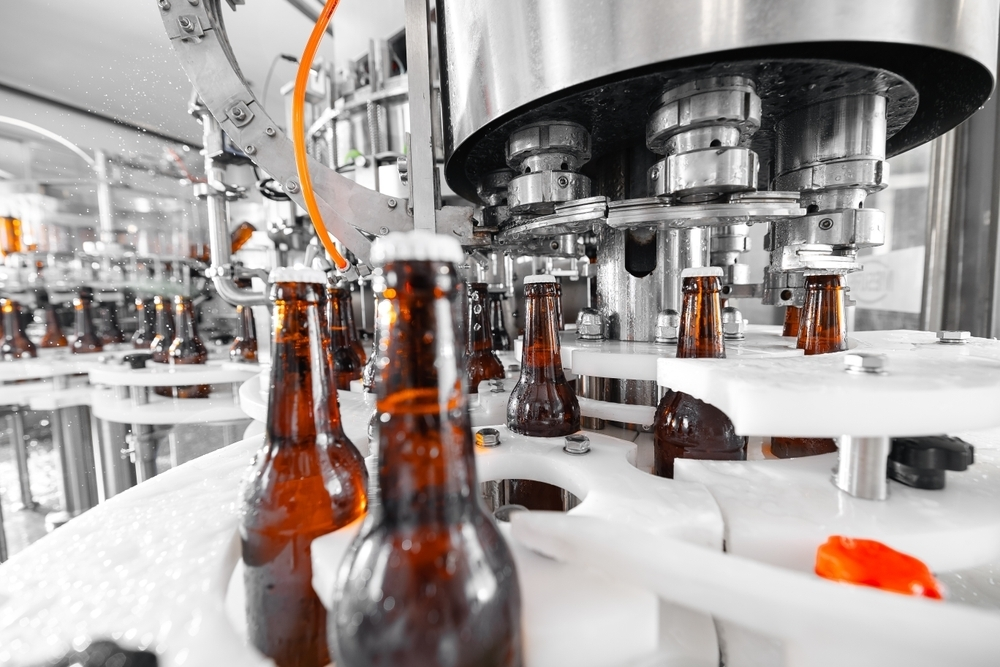
Prepare a component list that follows the bottle through unscrambling, rinsing, filling, closing, labeling and secondary packing. Record the make and model of each unit, container material, neck finish and closure style. Explain the filling method and product characteristics, including carbonation or temperature requirements where relevant. Sustained line speed should be tied to an identified format. Photos of starwheels, guides, controls and transfer points help buyers understand changeover capability, shared dependencies and what will be needed after the line is relocated.
List unscramblers, rinsers, air conveyors and handling parts with the supported bottle range.
Describe fill technology, product type, container sizes, head count and available operating performance.
Identify closure type, neck finish, cap handling, installed tooling and supported format range.
Specify label formats, sleeve equipment, date coders and included container handling or inspection.
Show conveyor layout, bottle handling, control interfaces and tables or buffers included.
Inventory case packers, wrappers, palletizers and all upstream machines within the sale scope.
A managed selling process
You know your equipment. We help organize the information, reach buyers and keep the sale moving.
Build a clear equipment record: specifications, condition, photos and included assets. Discuss a site visit where appropriate.
Present the machinery professionally and market it through listings, sales channels and buyer outreach.
Manage inquiries and discuss offers, transaction details and payment arrangements with the parties involved.
Plan communication around pickup, site access and removal responsibilities so everyone knows the next step.
A sale should fit your operation. Scope, fees, timing and responsibilities are discussed before work begins.
A stronger start
A buyer needs to understand what the equipment can do, what is included and how it can leave your facility. Start with these details. If something is missing, tell us what you have.
Preparing for market
The equipment’s technical fit, condition and practical requirements all influence a buyer’s decision.
Bottle material, size, neck finish and cap style determine the relevant buyer applications.
Fill method, sanitation features and product characteristics distinguish similar-speed bottling systems.
Starwheels, guides, heads and documented formats affect flexibility across bottle sizes.
Shared controls, conveyors and component completeness influence the work needed to reinstall the line.
Include the manufacturer and exact model in your inquiry. Examples in this equipment category include:
Before you sell
Have a question about your equipment or the selling process? Let’s talk through it.
Call (647) 490-0455Yes, identify the machines available and explain which conveyors, controls and format parts belong to them. Show the connection points to equipment being retained. Buyers need to know whether a filler or capper can operate independently or requires additional controls and handling equipment.
Closing equipment and bottle handling are configured around particular containers and closures. Record the cap type, neck finish and bottle dimensions actually run, with photographs of the tooling. Buyers can then assess whether the included parts fit their format or need replacement.
Identify the fill technology, previous beverage, container range and documented production speed. Include relevant utility requirements such as CO₂, cooling and compressed air where used. Buyers should review the actual equipment configuration and condition before assuming suitability for another carbonated product or bottle.
Describe sustained output achieved by the complete line with a stated format, and list individual machine ratings separately. Conveyors, changeovers and slower operations can affect the overall result. A running video and component register give buyers more useful context than the highest catalogue speed.
More from your shop
Selling more than one type of machine? Explore the details to prepare for each category.
The buyer’s view
Explore current ListingHippo inventory and how equipment is presented to buyers.
Loading current equipment… Browse available machinery
Start with the machinery. We’ll help you plan the sale.
We use cookies to improve your experience. Privacy Policy.