
Standard roll formers
Machines with documented profile capability, forming stands, material range and included roll tooling sets.
Sell with ListingHippo
Roll forming equipment is closely tied to the profiles it produces. When a product line ends or capacity changes, ListingHippo helps manufacturers present the profile drawings, tooling sets, material range and line configuration that buyers need to evaluate the equipment, from a single roll former to a complete production system.
Technical details that help buyers decide.
Cataloging, marketing and transaction support.
Work around your assets, site and timing.
Roll forming machines · Seller’s guide
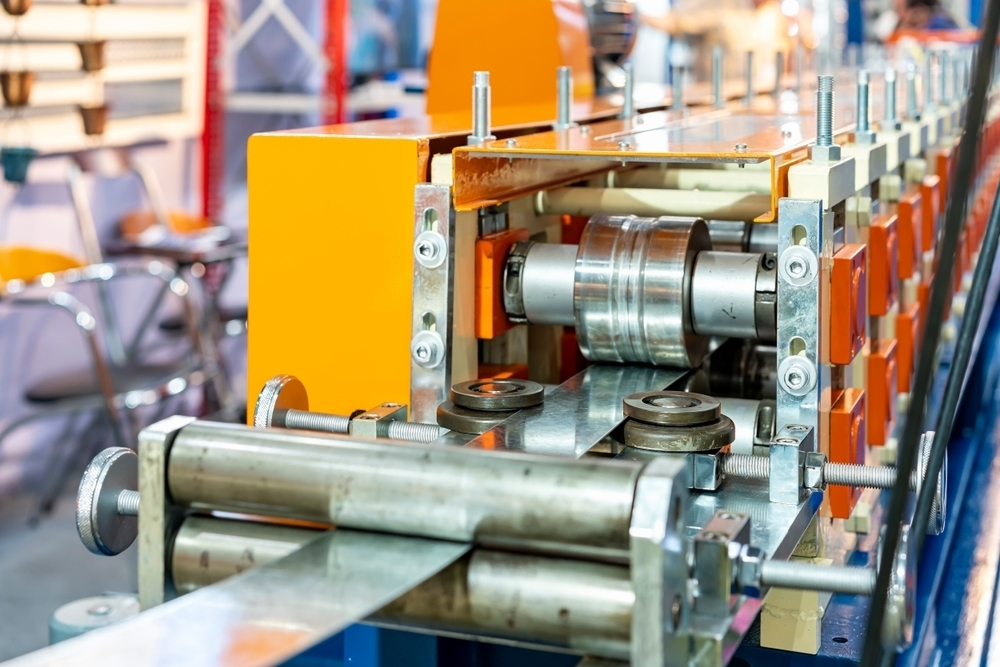
For roll forming equipment, the finished profile is often as important as the machine model. Supply profile drawings and material specifications, including thickness range and yield strength where known. Record the number of forming stands, tooling sets, changeover arrangements and operating line speed. Decoilers, straighteners, punching equipment and cutoff systems should appear in the inventory with their own details. Document control hardware, roll condition, alignment and service history. A line layout and component photographs help buyers understand the system and the practical requirements of disassembly and relocation.
Machines with documented profile capability, forming stands, material range and included roll tooling sets.
Application-specific systems accompanied by profile drawings, tooling details, material specifications and connected equipment information.
Panel-forming machines with profile documentation, material range, operating speed and cutoff equipment clearly identified.
Connected forming systems with decoiling, straightening, punching and cutoff equipment individually described in the package.
Forming lines with product specifications, tooling configuration, control details and included supporting equipment documented.
A managed selling process
You know your equipment. We help organize the information, reach buyers and keep the sale moving.
Build a clear equipment record: specifications, condition, photos and included assets. Discuss a site visit where appropriate.
Present the machinery professionally and market it through listings, sales channels and buyer outreach.
Manage inquiries and discuss offers, transaction details and payment arrangements with the parties involved.
Plan communication around pickup, site access and removal responsibilities so everyone knows the next step.
A sale should fit your operation. Scope, fees, timing and responsibilities are discussed before work begins.
A stronger start
A buyer needs to understand what the equipment can do, what is included and how it can leave your facility. Start with these details. If something is missing, tell us what you have.
Preparing for market
The equipment’s technical fit, condition and practical requirements all influence a buyer’s decision.
Profile drawings, thickness range and material strength define which applications a buyer can evaluate.
Roll sets, forming stands, tooling condition and changeover capability influence the system’s flexibility.
Decoilers, straighteners, punching, cutoff equipment and control hardware establish the production package.
Roll wear, alignment, service records, line length and removal requirements inform the equipment assessment.
Include the manufacturer and exact model in your inquiry. Examples in this equipment category include:
Before you sell
Have a question about your equipment or the selling process? Let’s talk through it.
Call (647) 490-0455They help buyers understand the product the equipment is configured to make and assess whether it matches their needs. Include material thickness and strength information where known, plus photos of finished profiles. Identify all tooling sets offered rather than assuming one sample represents every available configuration.
Provide its original application, profile drawings, material specifications and the equipment included in the line. Describe any changes made during service and document the current controls. A custom line needs a clear technical package so prospective buyers can assess its fit and possible reconfiguration requirements.
List the make, model, relevant capacity and operating condition of each component, with photos and available documentation. Explain whether controls or support equipment are shared. Buyers need to understand what is included and how the connected machinery contributes to the proposed line package.
Create a layout and an inventory of every component, including tooling, control cabinets and ancillary equipment. Record the overall line length and known weights where available. Add operating footage before disconnection if practical, and identify production deadlines or access constraints that affect removal planning.
More from your shop
Selling more than one type of machine? Explore the details to prepare for each category.
The buyer’s view
Explore current ListingHippo inventory and how equipment is presented to buyers.
Loading current equipment… Browse available machinery
Start with the machinery. We’ll help you plan the sale.
We use cookies to improve your experience. Privacy Policy.