
Ground power units
Electrical support units with output specifications, connectors, runtime hours and service information recorded.
Sell with ListingHippo
Ground support and maintenance equipment needs precise identification and a clear documentation trail. ListingHippo helps Canadian sellers present aviation support assets, from ground power units and tow equipment to jacks and MRO tooling. Share part numbers, operating condition, compatibility information and the records available so buyers can review the equipment against their own requirements.
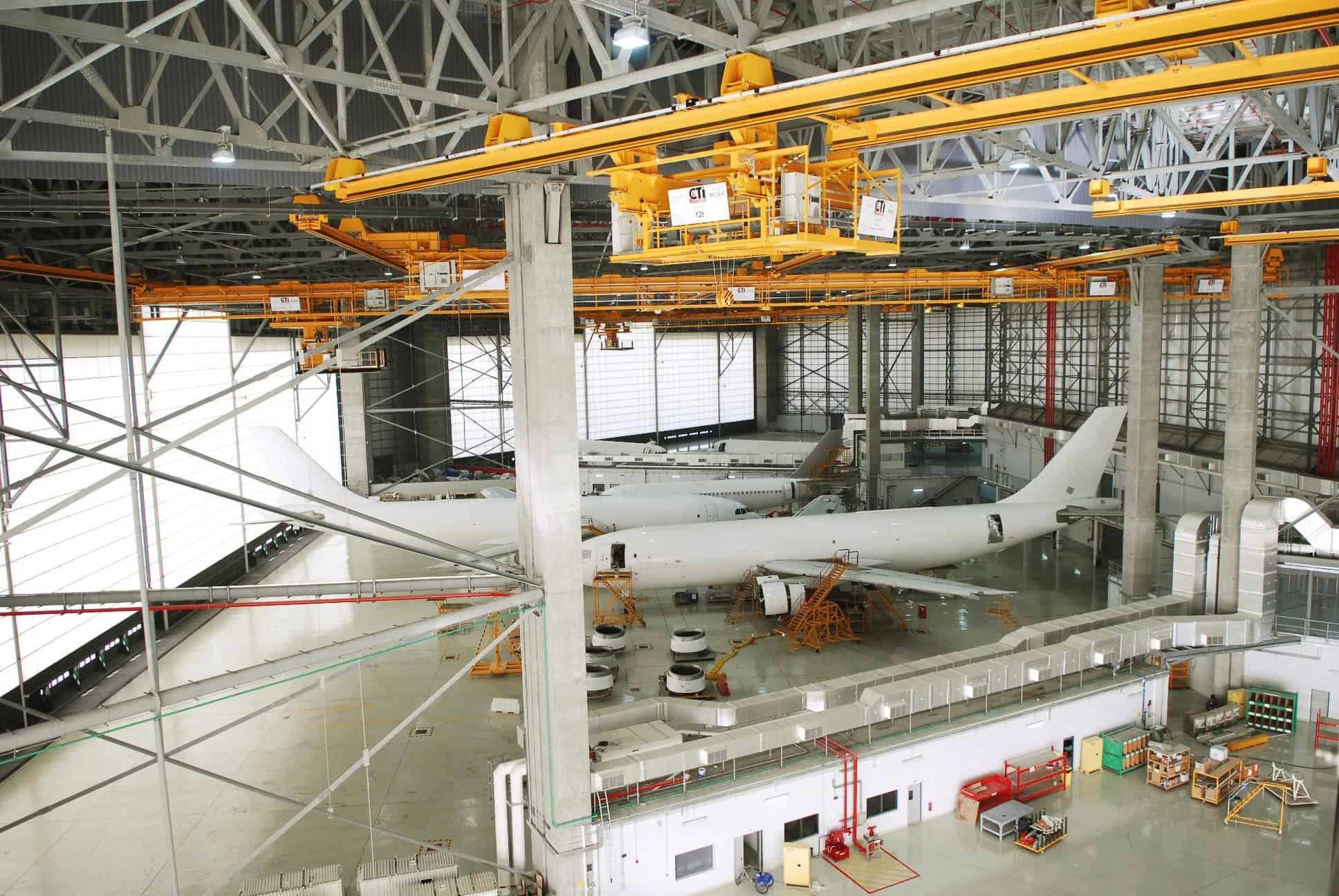
Technical details that help buyers decide.
Cataloging, marketing and transaction support.
Work around your assets, site and timing.
Aviation equipment · Seller’s guide
Ground support equipment serves specific aircraft, utilities and operating environments. Identify the equipment model and OEM part numbers, then describe relevant connectors, adapters, capacities and power requirements. For powered units, include hours, fuel type and service history where available. Tooling and support equipment should be matched to their documented application, with test records and provenance provided as available. Be precise about missing records and uncertain compatibility. The listing can present that evidence; it should not imply certification, airworthiness or approval for a buyer's intended use.
Electrical support units with output specifications, connectors, runtime hours and service information recorded.
Pneumatic support equipment with operating specifications, fuel type, hoses and included adapters identified.
Aircraft handling equipment with model numbers, documented compatibility and known condition clearly stated.
Support equipment with identification plates, rated capacities and available inspection or test records.
Belt loaders, service carts and applicable de-icing equipment with configuration and service history documented.
Maintenance assets with part numbers, application information, included accessories and available traceability records.
A managed selling process
You know your equipment. We help organize the information, reach buyers and keep the sale moving.
Build a clear equipment record: specifications, condition, photos and included assets. Discuss a site visit where appropriate.
Present the machinery professionally and market it through listings, sales channels and buyer outreach.
Manage inquiries and discuss offers, transaction details and payment arrangements with the parties involved.
Plan communication around pickup, site access and removal responsibilities so everyone knows the next step.
A sale should fit your operation. Scope, fees, timing and responsibilities are discussed before work begins.
A stronger start
A buyer needs to understand what the equipment can do, what is included and how it can leave your facility. Start with these details. If something is missing, tell us what you have.
Preparing for market
The equipment’s technical fit, condition and practical requirements all influence a buyer’s decision.
Part numbers, adapters and stated platform applications help buyers assess whether the equipment suits their fleet.
Available manuals, maintenance logs, test records and ownership history give context to condition and prior use.
Known faults, hours, refurbishment history and demonstrated operation affect how buyers assess remaining useful service.
Cables, heads, fixtures, tooling kits and spares can materially change the scope of a support-equipment package.
Include the manufacturer and exact model in your inquiry. Examples in this equipment category include:
Before you sell
Have a question about your equipment or the selling process? Let’s talk through it.
Call (647) 490-0455The scope includes ground support equipment, MRO tooling, shop equipment and hangar support assets. Examples include ground power and air start units, tow equipment, jacks, stands and service carts. Send the exact model, application, condition and available documentation for the asset you want to sell.
No. A listing describes the equipment and the records supplied with it. It does not establish airworthiness, certification or approval for a particular use. Buyers must assess the documentation, compatibility and any applicable requirements through their own technical and quality review.
Send the details and identify the missing records explicitly. Include the provenance, maintenance history and functional information you do have. Documentation gaps may affect buyer interest and suitability; the equipment should not be described as certified or approved without supporting evidence.
Include the model, output specifications, input or fuel requirements, connectors, cables and runtime hours where available. Describe operating condition and known faults, with service or test records if held. Buyers need those details to assess compatibility with their own ground-support requirements.
More from your shop
Selling more than one type of machine? Explore the details to prepare for each category.
The buyer’s view
Explore current ListingHippo inventory and how equipment is presented to buyers.
Loading current equipment… Browse available machinery
Start with the machinery. We’ll help you plan the sale.
We use cookies to improve your experience. Privacy Policy.