
Hydraulic press brakes
Hydraulic brakes with tonnage, working length, ram condition, backgauge arrangement and hydraulic service history documented.
Sell with ListingHippo
When a fabrication shop changes its bending capacity or replaces a brake, the outgoing machine needs an accurate technical description. ListingHippo helps sellers document tonnage, working length, backgauge configuration and tooling, together with the condition of the ram, hydraulics and controls, so buyers can assess the fit for their forming work.
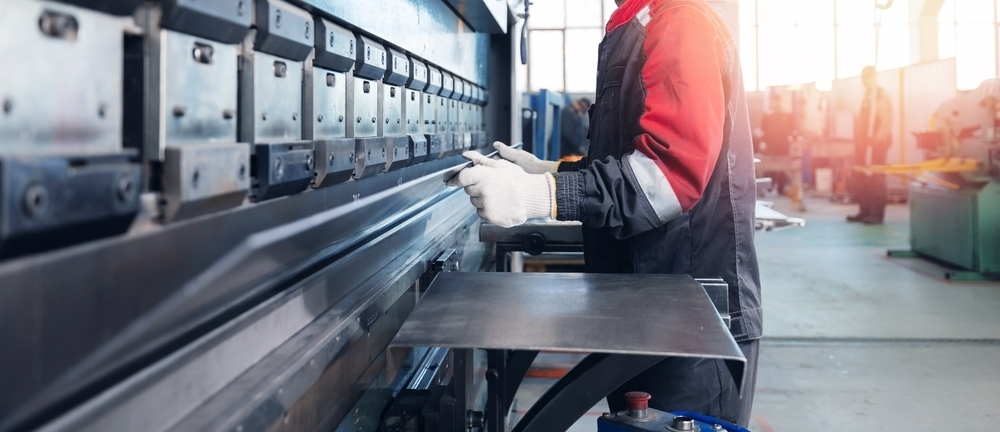
Technical details that help buyers decide.
Cataloging, marketing and transaction support.
Work around your assets, site and timing.
Press brakes · Seller’s guide
Tonnage and bed length establish only part of a press brake’s capability. Record the control model, fitted backgauge axes, crowning system and clamping style, then identify the punches and dies included. The condition of the ram, hydraulics and backgauge matters alongside the machine’s specification. Photos and recent forming footage should show the actual configuration, including guards, sheet followers and angle-measurement equipment where fitted. Keep tooling inventories separate from background shop equipment, and document known accuracy issues or service requirements before presenting the brake to buyers.
Hydraulic brakes with tonnage, working length, ram condition, backgauge arrangement and hydraulic service history documented.
Brakes with identified control models, fitted backgauge axes, programming options and available software information.
Machines described by drive type, rated force, working length, control and installed bending options.
Paired bending configurations with individual machine details, connected controls and the equipment included in sale.
Machines fitted with sheet followers, robot interfaces or angle measurement, with each installed option identified.
A managed selling process
You know your equipment. We help organize the information, reach buyers and keep the sale moving.
Build a clear equipment record: specifications, condition, photos and included assets. Discuss a site visit where appropriate.
Present the machinery professionally and market it through listings, sales channels and buyer outreach.
Manage inquiries and discuss offers, transaction details and payment arrangements with the parties involved.
Plan communication around pickup, site access and removal responsibilities so everyone knows the next step.
A sale should fit your operation. Scope, fees, timing and responsibilities are discussed before work begins.
A stronger start
A buyer needs to understand what the equipment can do, what is included and how it can leave your facility. Start with these details. If something is missing, tell us what you have.
Preparing for market
The equipment’s technical fit, condition and practical requirements all influence a buyer’s decision.
Rated force and bending length define the scale of work the machine can accommodate.
Control model, fitted axes and programming capability affect setup and part suitability.
Ram parallelism, repeatability, hydraulic condition and crowning operation contribute to the condition assessment.
Punches, dies, clamping style and tooling condition determine the package a buyer receives.
Include the manufacturer and exact model in your inquiry. Examples in this equipment category include:
Before you sell
Have a question about your equipment or the selling process? Let’s talk through it.
Call (647) 490-0455Start with make, model, year, rated tonnage and working length. Add the control model, installed backgauge axes, crowning arrangement and clamping style. Photographs of the tooling and recent forming footage help buyers evaluate the configuration, while service records provide context for its condition.
Itemize punches and dies, including lengths, profiles and clamping compatibility where known. Show their condition in clear photographs and state what is included or excluded. Avoid assuming that tooling visible in a shop photo belongs to the sale unless it appears in the inventory.
No. State the actual axis configuration and identify the control model separately. Include photographs or documentation that show the installed equipment and options. Buyers need this distinction to assess setup requirements, particularly when comparing different configurations offered under the same press brake model.
Provide weight, footprint, power requirements and photos of the route from the machine to the loading area. Identify any restricted access, foundation arrangements or attached equipment. These details help establish the scope of rigging and transport planning before a removal date is agreed.
More from your shop
Selling more than one type of machine? Explore the details to prepare for each category.
The buyer’s view
Explore current ListingHippo inventory and how equipment is presented to buyers.
Loading current equipment… Browse available machinery
Start with the machinery. We’ll help you plan the sale.
We use cookies to improve your experience. Privacy Policy.