
Ribbon and paddle blenders
Show working capacity, ribbon or paddle condition, drive power and discharge valve arrangement.
Sell with ListingHippo
Powder blending, slurry mixing and emulsification call for different equipment. ListingHippo helps Canadian processors describe surplus mixers and blenders by the job they performed, from ribbon blenders to high-shear systems. Include working capacity, mixing elements, drive power and product-contact materials so buyers can judge the application before arranging an inspection.
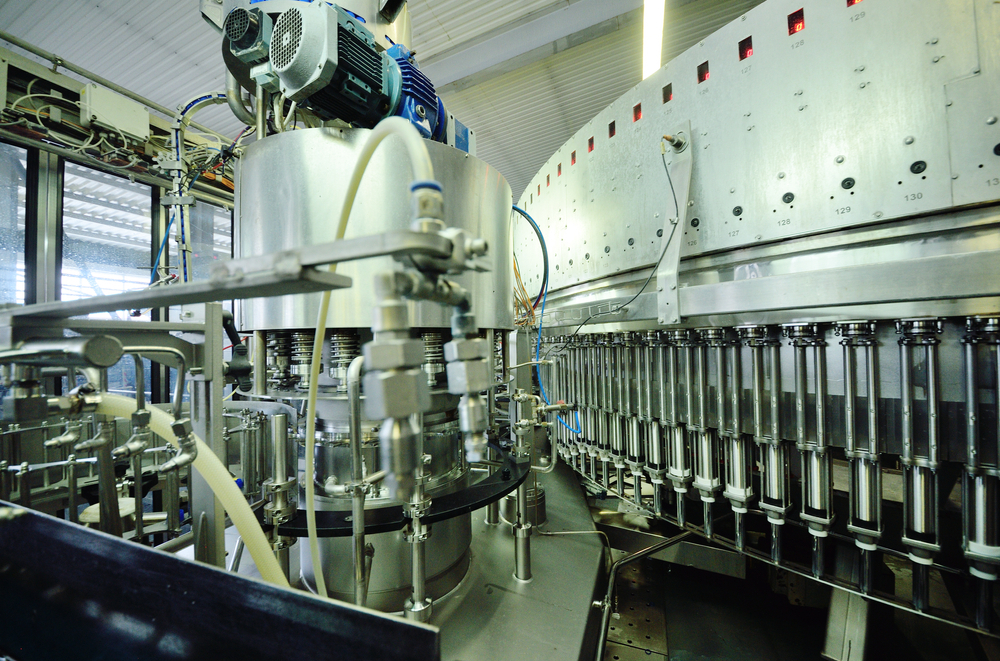
Technical details that help buyers decide.
Cataloging, marketing and transaction support.
Work around your assets, site and timing.
Mixers and Blenders · Seller’s guide
Working volume is more useful than vessel size alone. State the batch size or continuous throughput, previous product characteristics and the mixing elements fitted. Ribbon, paddle and tumble blenders have different configurations from high-shear mixers or dispersers, so show the internals clearly. Record motor power, speed range, gearbox condition and discharge arrangement. Jacket, vacuum or pressure features should be supported by available ratings. Included load cells, controls, dust collection connections and spare seals also help define the package.
Show working capacity, ribbon or paddle condition, drive power and discharge valve arrangement.
Record vessel volume, working batch size, contact materials and any fitted intensifier bars.
Identify mixing head design, motor power, speed range, product application and seal condition.
Describe bowl capacity, mixing tools, scraper configuration, drive arrangement and available vessel ratings.
State the process application, throughput or batch size, installed head and control package.
Include vessel details, agitator specifications, pumps, valves, instrumentation and associated controls in scope.
A managed selling process
You know your equipment. We help organize the information, reach buyers and keep the sale moving.
Build a clear equipment record: specifications, condition, photos and included assets. Discuss a site visit where appropriate.
Present the machinery professionally and market it through listings, sales channels and buyer outreach.
Manage inquiries and discuss offers, transaction details and payment arrangements with the parties involved.
Plan communication around pickup, site access and removal responsibilities so everyone knows the next step.
A sale should fit your operation. Scope, fees, timing and responsibilities are discussed before work begins.
A stronger start
A buyer needs to understand what the equipment can do, what is included and how it can leave your facility. Start with these details. If something is missing, tell us what you have.
Preparing for market
The equipment’s technical fit, condition and practical requirements all influence a buyer’s decision.
Usable batch size and product characteristics help distinguish nominal volume from practical application fit.
Gearbox condition, torque, speed control and mixing element wear affect the refurbishment assessment.
Materials, welds, seals and cleaning features influence suitability for food, pharmaceutical or chemical service.
Jackets, vacuum capability, load cells and discharge options differentiate otherwise similar mixers.
Include the manufacturer and exact model in your inquiry. Examples in this equipment category include:
Before you sell
Have a question about your equipment or the selling process? Let’s talk through it.
Call (647) 490-0455Provide both when you have reliable records, and identify the product used for the stated batch weight. A powder’s bulk density or a liquid’s viscosity changes what a capacity figure means. Distinguish the vessel’s total volume from its documented working volume.
Describe the previous application, construction materials, cleaning status and any known corrosion or residue concerns. Buyers must assess suitability for their own product. A stainless-steel body alone does not establish that a previously used chemical blender is suitable for food or pharmaceutical service.
Inventory discharge valves, mixing tools, spare seals, load cells, jackets, pumps, dust collection connections and the control panel. Photograph detached parts and record their model or part numbers where possible. The buyer needs to know which items belong to the specific mixer.
Identify the actual mixing elements and process rather than relying on a broad equipment label. Show whether the unit has ribbons, paddles, a tumbling vessel or an agitator. Include batch size, discharge method and previous product characteristics to help buyers compare appropriate designs.
More from your shop
Selling more than one type of machine? Explore the details to prepare for each category.
The buyer’s view
Explore current ListingHippo inventory and how equipment is presented to buyers.
Loading current equipment… Browse available machinery
Start with the machinery. We’ll help you plan the sale.
We use cookies to improve your experience. Privacy Policy.