
CNC machining centers
Vertical, horizontal and five-axis machines, described by travels, spindle specification, tooling capacity and installed options.
Sell with ListingHippo
When a machining contract ends, a cell changes or a shop upgrades, the details of the outgoing machine matter. ListingHippo helps machine shops, tool and die makers, and manufacturers present used CNC equipment with the capacities, controls, options and condition information buyers need to assess its fit.
Technical details that help buyers decide.
Cataloging, marketing and transaction support.
Work around your assets, site and timing.
CNC machines · Seller’s guide
A CNC machine’s model name is only the starting point. Buyers need to understand its work envelope, spindle specification, axis configuration and tooling interface, alongside the control generation and installed options. A production lathe with a bar feeder serves a different requirement from a five-axis machining center or a CNC grinder. Separate what is fitted from what the model could support, and document the machine’s current operating condition. Maintenance records, parameter backups and a clear accessory inventory help turn a broad equipment description into a usable technical package.
Vertical, horizontal and five-axis machines, described by travels, spindle specification, tooling capacity and installed options.
Turning equipment ranging from two-axis machines to live-tooling, sub-spindle and mill-turn configurations.
Mills with documented table capacity, axis travels, spindle details and control information for machining applications.
Precision turning machines with configuration, bar capacity, tooling and automation details recorded for buyers.
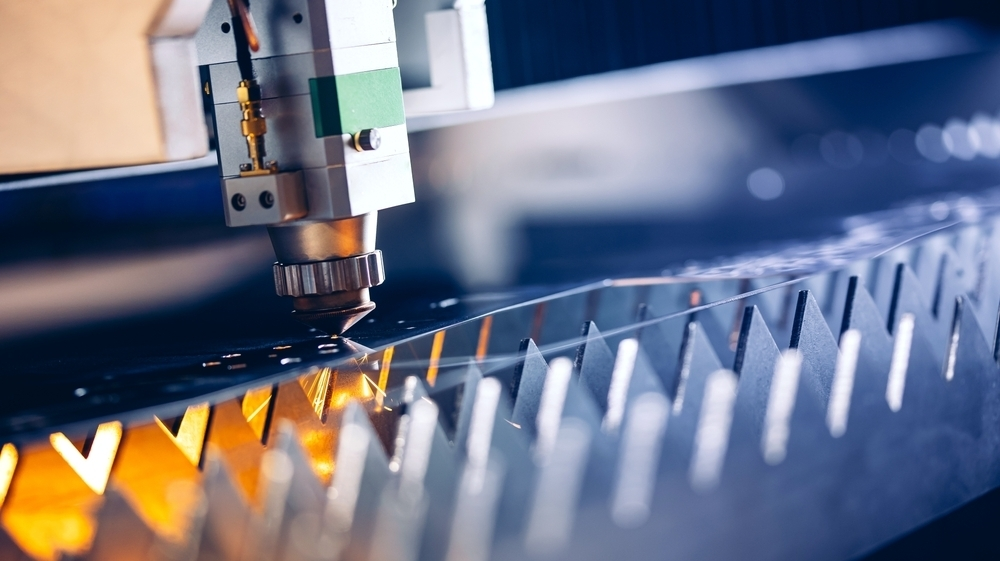
Profile-cutting equipment described by working area, control, power source and supported material applications.
Grinding machines with working capacity, control information, operating condition and included equipment clearly identified.
A managed selling process
You know your equipment. We help organize the information, reach buyers and keep the sale moving.
Build a clear equipment record: specifications, condition, photos and included assets. Discuss a site visit where appropriate.
Present the machinery professionally and market it through listings, sales channels and buyer outreach.
Manage inquiries and discuss offers, transaction details and payment arrangements with the parties involved.
Plan communication around pickup, site access and removal responsibilities so everyone knows the next step.
A sale should fit your operation. Scope, fees, timing and responsibilities are discussed before work begins.
A stronger start
A buyer needs to understand what the equipment can do, what is included and how it can leave your facility. Start with these details. If something is missing, tell us what you have.
Preparing for market
The equipment’s technical fit, condition and practical requirements all influence a buyer’s decision.
Travels, turning capacity, spindle specifications and installed axes define the work a buyer can consider.
Control generation, enabled options, available backups and parts support influence a buyer’s assessment.
Service records, known faults, operating hours and recent machining footage support a realistic discussion.
Toolholders, feeders, probes, conveyors and pallet systems should be itemized with their condition.
Include the manufacturer and exact model in your inquiry. Examples in this equipment category include:
Before you sell
Have a question about your equipment or the selling process? Let’s talk through it.
Call (647) 490-0455Start with the make, model, year and control, then add the specifications that define its capacity. Include spindle details, travels or turning dimensions, fitted options, known faults and photos. If available, add operating footage and a list of tooling or automation included.
Send a separate equipment list for each machine, including its serial number, configuration and availability. Identify shared accessories and any equipment that must stay in production. This makes it possible to assess individual machines while planning around the wider shop schedule.
List each item and state whether it is included, optional or excluded. A bar feeder, probe, rotary table or toolholder package may matter to a buyer, but compatibility and condition need confirmation. Photos and model numbers help establish exactly what belongs to the sale.
An operating inspection can help buyers evaluate spindle behaviour, axis movement and installed options. If the machine is disconnected, explain when it last ran, why it stopped and what evidence is available. Its condition and any inspection limitations should remain clear throughout the listing.
More from your shop
Selling more than one type of machine? Explore the details to prepare for each category.
The buyer’s view
Explore current ListingHippo inventory and how equipment is presented to buyers.
Loading current equipment… Browse available machinery
Start with the machinery. We’ll help you plan the sale.
We use cookies to improve your experience. Privacy Policy.