
Horizontal end-load cartoners
Record carton dimensions, product loading arrangement, motion type, closure method and change parts.
Sell with ListingHippo
A cartoner’s carton range is only part of its application. Product feeding, loading method and closure style also shape buyer fit. ListingHippo helps Canadian facilities present surplus cartoning machines with these details, including tooling, collators and leaflet equipment. Share a running example so buyers can see how the complete packing cycle works.
Technical details that help buyers decide.
Cataloging, marketing and transaction support.
Work around your assets, site and timing.
Cartoning Machines · Seller’s guide
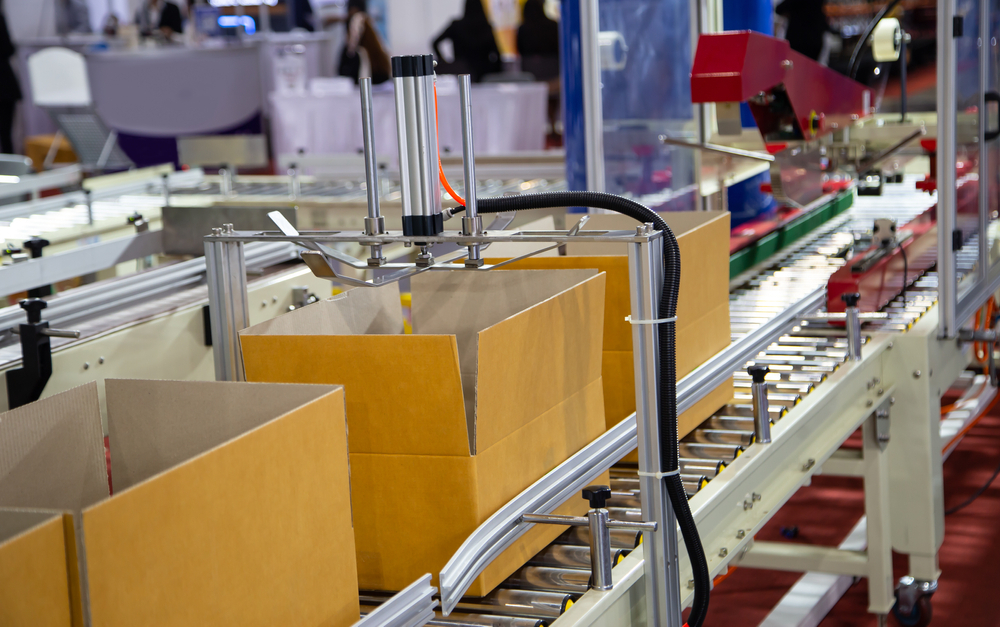
Cartoners should be described by orientation, loading arrangement and motion type, with the supported carton dimensions clearly recorded. Explain the product form and how counting or collation prepares it for loading. Tuck or glue closure, leaflet insertion and coding can be significant parts of the package. Identify included change parts and distinguish demonstrated output from rated speed. Photos of the carton magazine, product infeed, closure section and control panel help buyers assess condition and the work needed for another format.
Record carton dimensions, product loading arrangement, motion type, closure method and change parts.
Describe product feeding, carton range, filling or loading configuration and available operating speed.
Identify carton or tray formats, product collation, loading equipment and closure components included.
State demonstrated output, carton range, product application, control configuration and included format tooling.
Document rated and sustained speeds, infeed synchronization, supported formats and the control package.
Inventory collators, leaflet inserters, glue units, conveyors and coding equipment included in the sale.
A managed selling process
You know your equipment. We help organize the information, reach buyers and keep the sale moving.
Build a clear equipment record: specifications, condition, photos and included assets. Discuss a site visit where appropriate.
Present the machinery professionally and market it through listings, sales channels and buyer outreach.
Manage inquiries and discuss offers, transaction details and payment arrangements with the parties involved.
Plan communication around pickup, site access and removal responsibilities so everyone knows the next step.
A sale should fit your operation. Scope, fees, timing and responsibilities are discussed before work begins.
A stronger start
A buyer needs to understand what the equipment can do, what is included and how it can leave your facility. Start with these details. If something is missing, tell us what you have.
Preparing for market
The equipment’s technical fit, condition and practical requirements all influence a buyer’s decision.
Dimensions, board style and tuck or glue closure determine the supported packaging formats.
Included collators, counters and infeed systems affect the work needed to adapt another product.
Intermittent or continuous motion and demonstrated speed help buyers assess production requirements.
Change parts, spare tooling, manuals and control settings clarify which configurations are available.
Include the manufacturer and exact model in your inquiry. Examples in this equipment category include:
Before you sell
Have a question about your equipment or the selling process? Let’s talk through it.
Call (647) 490-0455Give the supported length, width and height ranges using a clear dimension convention, plus the sizes actually run. State the carton style and closure method. Include photographs or drawings of sample cartons and identify the change parts supplied for each demonstrated format.
The infeed can be central to a cartoner’s usefulness because it controls how products are counted, grouped and loaded. Describe collators, counters, conveyors and loading mechanisms separately. Buyers need to assess whether those components suit their product or require modification.
List each accessory and its condition, model and available documentation. Identify any shared control connections and missing parts. A buyer may value the complete configuration, but photographs of a leaflet inserter or glue unit should not imply inclusion unless it is explicitly in scope.
Yes. Describe the existing product, carton size and format parts accurately, and provide operating evidence where available. Buyers may assess adaptation to another product, but the listing should not promise that a changeover is possible without additional tooling or technical review.
More from your shop
Selling more than one type of machine? Explore the details to prepare for each category.
The buyer’s view
Explore current ListingHippo inventory and how equipment is presented to buyers.
Loading current equipment… Browse available machinery
Start with the machinery. We’ll help you plan the sale.
We use cookies to improve your experience. Privacy Policy.