
Belt and roller conveyors
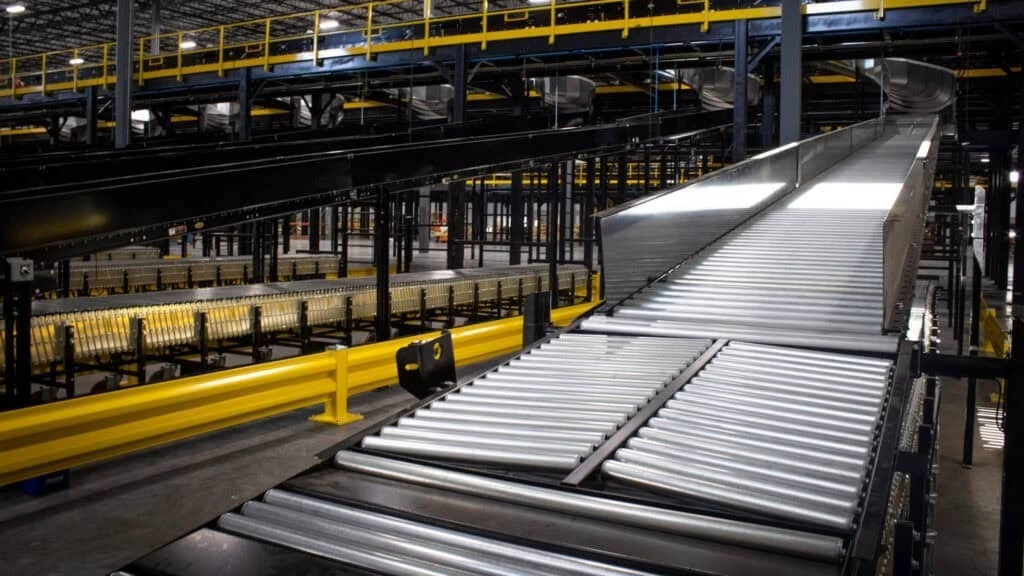
Package-handling sections with usable width, length, load rating and drive configuration recorded.
Sell with ListingHippo
The right conveying equipment depends on the material being moved, the required capacity and the transfer route. ListingHippo helps Canadian facilities sell individual conveyors and bulk-handling assets with those details clearly stated. Describe prior product use, dimensions, construction and wear condition so buyers can assess suitability before planning installation or transport.
Technical details that help buyers decide.
Cataloging, marketing and transaction support.
Work around your assets, site and timing.
Conveying equipment · Seller’s guide
A case conveyor, screw conveyor and pneumatic transfer system have different assessment needs. Describe the prior application and material handled, then record the equipment's dimensions, elevation changes, capacity and drive details. Include construction material and any documented washdown features where relevant. Photograph belts, chains, screws, flighting, bearings and other wear parts according to the equipment type. List supports, transitions, sensors and controls included in the sale. These details help buyers compare standalone assets with the space, product and utilities in their own process.
Package-handling sections with usable width, length, load rating and drive configuration recorded.
Bulk-transfer equipment with screw dimensions, construction, drive details and visible flighting condition.
Material transfer packages with application, operating specifications, included components and control details documented.
Bulk-handling assets with elevation, capacity, chain or belt condition and drives identified.
Transfer equipment with trough dimensions, construction material, application and known operating condition listed.
Specialized handling equipment with layout dimensions, load ratings and included supports clearly described.
A managed selling process
You know your equipment. We help organize the information, reach buyers and keep the sale moving.
Build a clear equipment record: specifications, condition, photos and included assets. Discuss a site visit where appropriate.
Present the machinery professionally and market it through listings, sales channels and buyer outreach.
Manage inquiries and discuss offers, transaction details and payment arrangements with the parties involved.
Plan communication around pickup, site access and removal responsibilities so everyone knows the next step.
A sale should fit your operation. Scope, fees, timing and responsibilities are discussed before work begins.
A stronger start
A buyer needs to understand what the equipment can do, what is included and how it can leave your facility. Start with these details. If something is missing, tell us what you have.
Preparing for market
The equipment’s technical fit, condition and practical requirements all influence a buyer’s decision.
Prior product, construction and operating design help buyers evaluate whether an asset suits their handling application.
Screw flighting, belts, chains, sprockets and bearings can materially affect the work needed before reuse.
Load, speed, dimensions and discharge height determine fit within a buyer’s process or facility layout.
Supports, transitions, guarding, drives and controls define the difference between a usable package and loose equipment.
Include the manufacturer and exact model in your inquiry. Examples in this equipment category include:
Before you sell
Have a question about your equipment or the selling process? Let’s talk through it.
Call (647) 490-0455This page covers individual transfer assets and bulk-handling equipment as well as related components. A conveyor system typically describes a connected layout with controls and transfers. In either case, identify the equipment boundaries so buyers know whether they are reviewing one asset or an integrated line.
Prior product use gives buyers context for wear, residue and construction suitability. Describe the material as accurately as possible and include cleaning or maintenance records if available. Do not infer suitability for a new food, powder or process application from appearance alone.
Provide dimensions, construction material, drive details, prior application and available capacity information. Photograph the screw flighting and other accessible wear components, along with guards and supports. Explain which transitions and controls are included so buyers can assess how the conveyor would connect to their process.
Yes. Group compatible sections and list their individual lengths, widths, construction and drive arrangements. Count supports, curves, transitions and controls separately. A clear inventory helps buyers assess a useful package without assuming that every section forms a complete or immediately operable line.
More from your shop
Selling more than one type of machine? Explore the details to prepare for each category.
The buyer’s view
Explore current ListingHippo inventory and how equipment is presented to buyers.
Loading current equipment… Browse available machinery
Start with the machinery. We’ll help you plan the sale.
We use cookies to improve your experience. Privacy Policy.