
Forklifts and reach trucks
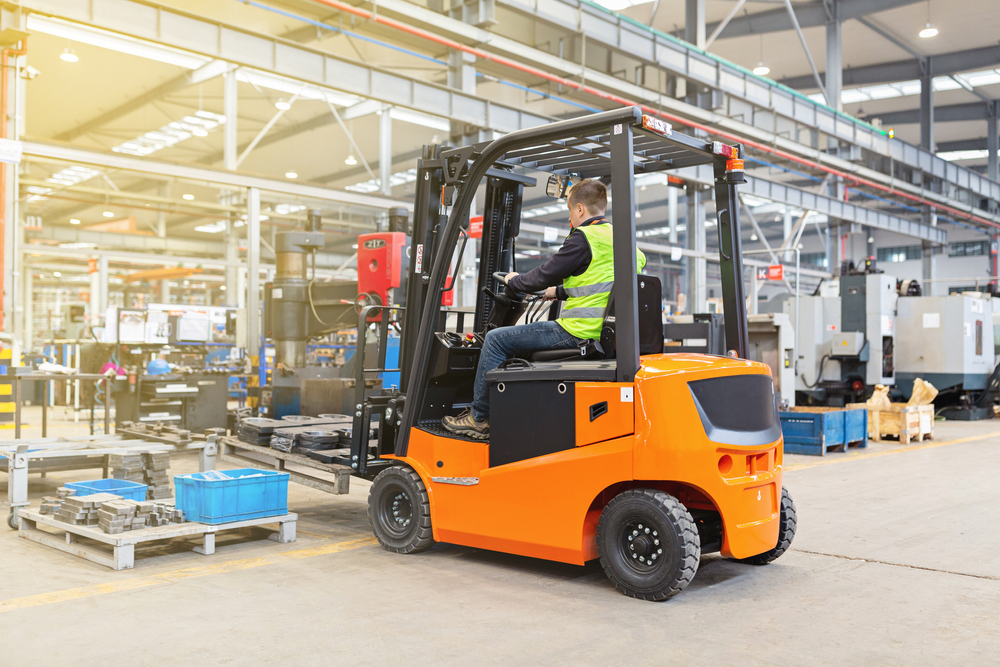
Mobile handling equipment with documented capacity, mast configuration, operating hours and power source.
Sell with ListingHippo
A buyer needs to know whether your equipment can move the right load, reach the required height and fit the available space. ListingHippo helps Canadian warehouses and manufacturers sell material handling assets with those practical questions answered. Share capacities, operating hours, power requirements and included attachments to establish the scope of your sale.
Technical details that help buyers decide.
Cataloging, marketing and transaction support.
Work around your assets, site and timing.
Material handling · Seller’s guide
Material handling equipment ranges from mobile trucks to fixed lifting and transfer systems. For a forklift, buyers need the data plate, mast configuration, lift height, attachments and power source. Electric units also need battery and charger details. Conveyors, racking and cranes require dimensions, rated loads and a clear installation layout. Document wear and maintenance rather than relying on appearance alone. Defining the included components and available loading equipment helps buyers compare the purchase with the work needed to transport and install it.
Mobile handling equipment with documented capacity, mast configuration, operating hours and power source.
Manual or powered units with fork dimensions, lift range and condition clearly recorded.
Fixed handling sections or integrated lines with dimensions, drives, controls and supports identified.
Lifting assets with rated capacity, travel dimensions, controls and available inspection records.
Storage structures with component quantities, dimensions, capacity information and included installation hardware.
Automated handling assets with controls, charging equipment and integration details included in the description.
A managed selling process
You know your equipment. We help organize the information, reach buyers and keep the sale moving.
Build a clear equipment record: specifications, condition, photos and included assets. Discuss a site visit where appropriate.
Present the machinery professionally and market it through listings, sales channels and buyer outreach.
Manage inquiries and discuss offers, transaction details and payment arrangements with the parties involved.
Plan communication around pickup, site access and removal responsibilities so everyone knows the next step.
A sale should fit your operation. Scope, fees, timing and responsibilities are discussed before work begins.
A stronger start
A buyer needs to understand what the equipment can do, what is included and how it can leave your facility. Start with these details. If something is missing, tell us what you have.
Preparing for market
The equipment’s technical fit, condition and practical requirements all influence a buyer’s decision.
Rated load, mast type, fork length and lift height determine which handling tasks the equipment can support.
Battery age, available condition information, chargers and fuel type affect operating suitability and purchase cost.
Hours, hydraulics, tires, chains and inspection history give buyers evidence beyond the exterior condition.
Side shifts, clamps, fork positioners and spare batteries change the scope and usefulness of the package.
Include the manufacturer and exact model in your inquiry. Examples in this equipment category include:
Before you sell
Have a question about your equipment or the selling process? Let’s talk through it.
Call (647) 490-0455Include the make and model, data plate, hour meter, rated capacity, lift height and mast type. Photograph the forks, tires and attachments. For an electric truck, add the battery specifications, age or test information if known, and whether its charger is included.
Yes. Provide an itemized list rather than one combined description. Forklifts, racking and conveyors may attract different buyers, so quantities, specifications and removal timing for each category help determine whether separate listings or a combined package make sense.
They do. A clamp, rotator or fork positioner changes how a truck can be used, and the relevant capacity information should be included. Identify each attachment by model where possible and clarify whether it is fitted, loose or excluded from the sale.
Record the installed layout, dimensions, controls and component quantities before disassembly. Include available drawings and inspection records, then describe access and loading constraints. Buyers need to understand both the usable equipment and the work involved in removing it from your facility.
More from your shop
Selling more than one type of machine? Explore the details to prepare for each category.
The buyer’s view
Explore current ListingHippo inventory and how equipment is presented to buyers.
Loading current equipment… Browse available machinery
Start with the machinery. We’ll help you plan the sale.
We use cookies to improve your experience. Privacy Policy.