
Manual knee and turret mills
Toolroom mills described by table size, travels, spindle condition, readout and installed power feeds.
Sell with ListingHippo
Toolrooms and machine shops often retain mills long after a particular job or process has changed. When it is time to sell, ListingHippo helps present manual and CNC machines with useful capacity and condition details, including table size, travels, spindle specification, readouts, feeds and the tooling available with the machine.
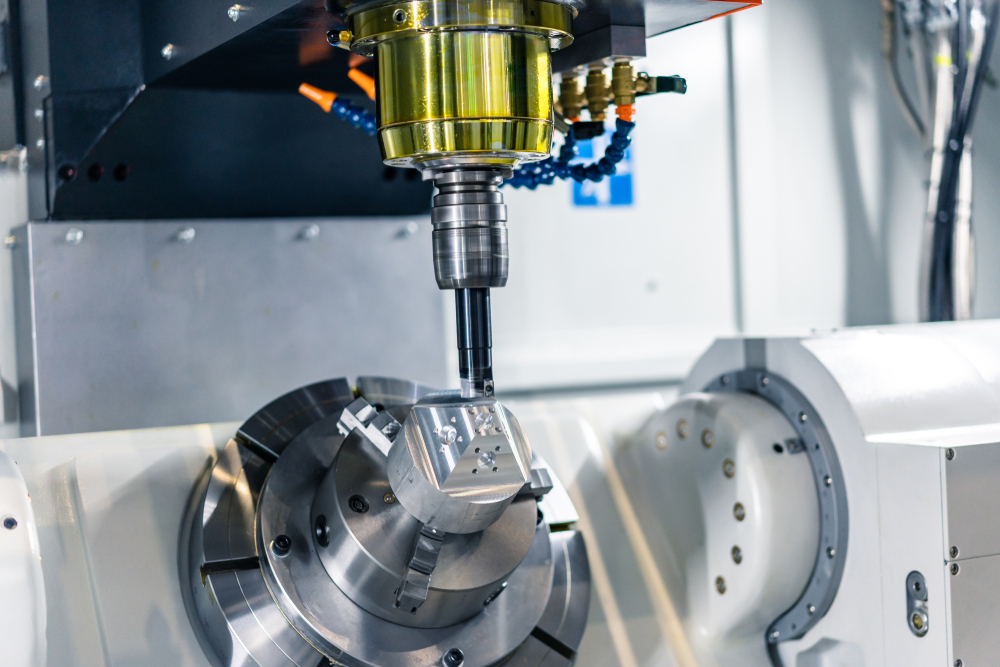
Technical details that help buyers decide.
Cataloging, marketing and transaction support.
Work around your assets, site and timing.
Milling machines · Seller’s guide
Milling machine buyers need to distinguish machine size from usable capacity. Provide table dimensions and axis travels, then identify the spindle taper, speed range and drive arrangement. For manual mills, record the condition of the digital readout, power feeds and controls. For CNC mills, add the control model and available documentation. Way wear, backlash and spindle condition are central to the assessment, particularly for toolroom work. Photograph vises, toolholders and accessories separately so the proposed package is clear and buyers can plan what else they need.
Toolroom mills described by table size, travels, spindle condition, readout and installed power feeds.
Controlled mills with documented axis travels, spindle details, control generation and fitted options.
Vertical mills with working capacity, spindle taper, drive arrangement and included tooling clearly stated.
Horizontal mills described by table capacity, axis movement, spindle specification and the available tooling package.
Mills with documented work envelope, spindle power, feed arrangements and condition for production applications.
A managed selling process
You know your equipment. We help organize the information, reach buyers and keep the sale moving.
Build a clear equipment record: specifications, condition, photos and included assets. Discuss a site visit where appropriate.
Present the machinery professionally and market it through listings, sales channels and buyer outreach.
Manage inquiries and discuss offers, transaction details and payment arrangements with the parties involved.
Plan communication around pickup, site access and removal responsibilities so everyone knows the next step.
A sale should fit your operation. Scope, fees, timing and responsibilities are discussed before work begins.
A stronger start
A buyer needs to understand what the equipment can do, what is included and how it can leave your facility. Start with these details. If something is missing, tell us what you have.
Preparing for market
The equipment’s technical fit, condition and practical requirements all influence a buyer’s decision.
Table dimensions and axis travels determine which workpieces and setups buyers can consider.
Taper, speed range, power and geared or belt drive affect application suitability.
Backlash, way condition and spindle behaviour matter when assessing a mill for precision work.
Working DRO, power feeds, vises and toolholders should be listed with their condition and inclusion status.
Include the manufacturer and exact model in your inquiry. Examples in this equipment category include:
Before you sell
Have a question about your equipment or the selling process? Let’s talk through it.
Call (647) 490-0455Manual mills can be reviewed alongside CNC milling equipment. Send the make, model, table size, travels and spindle details, with photos of the ways, controls and included accessories. Note the condition of the DRO and power feeds, and disclose any known backlash or other wear.
Provide clear photos of the manufacturer’s plate and serial number, along with the model and any available manuals or purchase records. State that the year is unconfirmed. The remaining capacity and condition information can still support an initial review without presenting an estimated year as fact.
If you have reliable measurements or inspection records, include them and explain how they were obtained. Otherwise, describe the known condition honestly and make inspection limitations clear. Buyers may want to assess axis movement, way wear and spindle behaviour before deciding whether the mill suits their work.
Photograph the accessories and provide an itemized list, including sizes or interfaces where known. State which items are included and which are excluded. A clear tooling inventory helps buyers assess the package without assuming that every accessory visible in the shop photos comes with the mill.
More from your shop
Selling more than one type of machine? Explore the details to prepare for each category.
The buyer’s view
Explore current ListingHippo inventory and how equipment is presented to buyers.
Loading current equipment… Browse available machinery
Start with the machinery. We’ll help you plan the sale.
We use cookies to improve your experience. Privacy Policy.