
Belt conveyor lines
Straight, inclined or curved belt sections with widths, speeds and transfer points recorded.
Sell with ListingHippo
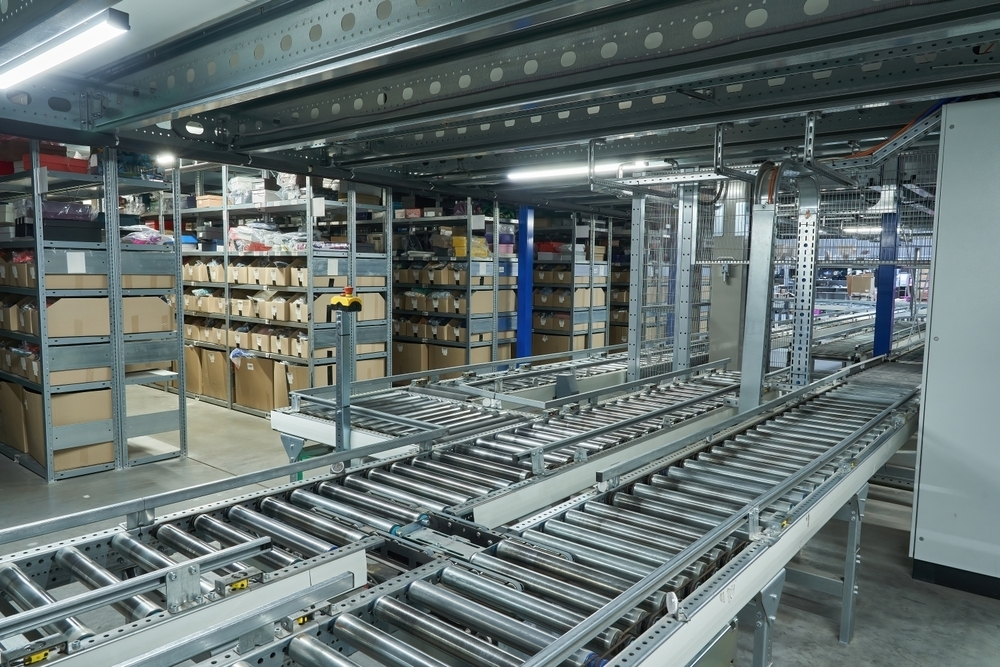
A conveyor system is more than its total length. Buyers need to understand product flow, elevations, curves, accumulation and the controls that connect each section. ListingHippo helps Canadian facilities present complete conveyor installations for sale, with the layout and included components clearly defined before dismantling makes those relationships harder to document.
Technical details that help buyers decide.
Cataloging, marketing and transaction support.
Work around your assets, site and timing.
Conveyor systems · Seller’s guide
Start with a layout showing section lengths, widths, elevations, curves and transfer points. Identify the product handled, conveyor speeds, rated loads and accumulation zones. For powered systems, record motor and gearbox details, VFDs, PLC panels, sensors and safety circuits. Specify whether supports, guarding, cables, merges and diverts are included. Buyers can then compare the installed line with their own floor plan and product flow. Photographs and operating video taken before disconnection help explain both condition and how individual sections interact.
Straight, inclined or curved belt sections with widths, speeds and transfer points recorded.
Gravity or powered roller layouts with zone controls, load ratings and roller condition documented.
Heavy load transfer systems with conveyor pitch, dimensions, drives and handling application identified.
Conveyors with merges, diverts, sensors and control equipment listed as a defined package.
Space-dependent installations with elevations, working clearances, supports and travel layout described accurately.
Connected conveyor sections with guarding, electrical equipment and interfaces to surrounding production machinery.
A managed selling process
You know your equipment. We help organize the information, reach buyers and keep the sale moving.
Build a clear equipment record: specifications, condition, photos and included assets. Discuss a site visit where appropriate.
Present the machinery professionally and market it through listings, sales channels and buyer outreach.
Manage inquiries and discuss offers, transaction details and payment arrangements with the parties involved.
Plan communication around pickup, site access and removal responsibilities so everyone knows the next step.
A sale should fit your operation. Scope, fees, timing and responsibilities are discussed before work begins.
A stronger start
A buyer needs to understand what the equipment can do, what is included and how it can leave your facility. Start with these details. If something is missing, tell us what you have.
Preparing for market
The equipment’s technical fit, condition and practical requirements all influence a buyer’s decision.
Section sizes, elevations, curves and connection points affect how readily the system fits another facility.
Included PLCs, VFDs, photo eyes and drawings determine what buyers receive with the mechanical equipment.
Frame material, belt condition, bearings, chains and wear rails influence suitability for the next application.
Labelled sections, loading access and included supports help clarify the work and freight involved in removal.
Include the manufacturer and exact model in your inquiry. Examples in this equipment category include:
Before you sell
Have a question about your equipment or the selling process? Let’s talk through it.
Call (647) 490-0455Record the main section lengths, usable widths and elevations, including curves and inclines. A simple marked-up layout is useful when detailed drawings are unavailable. Buyers need to understand the installed footprint and whether sections can be rearranged for their own application.
Yes, provided the components can be identified and the package is described accurately. Include earlier installation photos or drawings if available, plus a current inventory of sections, drives, controls and supports. Note missing cables, guarding or hardware rather than assuming completeness.
List the PLC and drive models, operating voltage, sensors, zone controls and available electrical drawings. Explain whether the conveyor controls operated independently or through another line. That distinction helps buyers estimate the work needed to run the system at a new location.
A complete system includes a defined layout and the components that supported its operation. Loose sections may still be useful, but buyers must establish their own arrangement and interfaces. Describe supports, controls and transfers explicitly so the scope of either sale is clear.
More from your shop
Selling more than one type of machine? Explore the details to prepare for each category.
The buyer’s view
Explore current ListingHippo inventory and how equipment is presented to buyers.
Loading current equipment… Browse available machinery
Start with the machinery. We’ll help you plan the sale.
We use cookies to improve your experience. Privacy Policy.