
Machine-tending cells
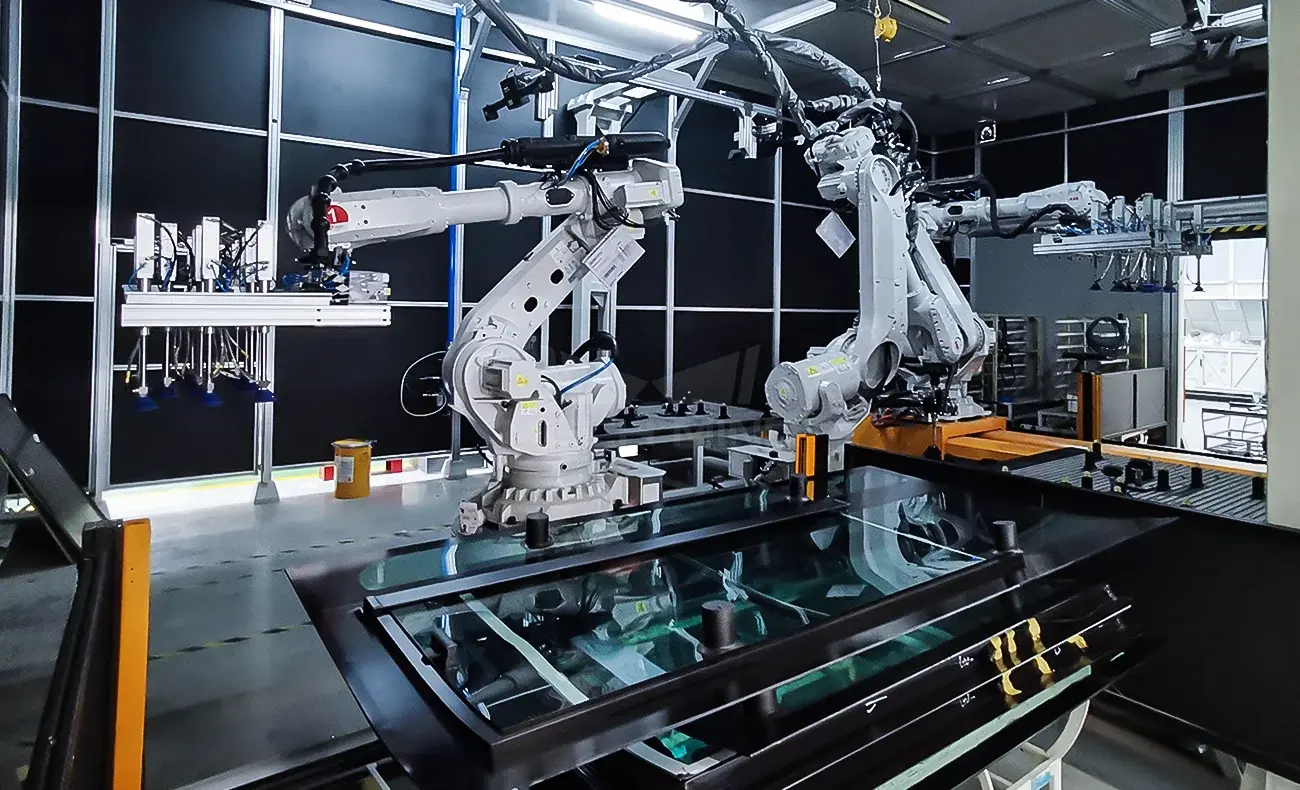
Automated loading systems with handled parts, robot details, fixtures and machine interfaces described.
Sell with ListingHippo
A custom automation system needs to be explained through the work it performs. ListingHippo helps Canadian manufacturers sell production cells and integrated lines with the application, throughput, controls and included tooling clearly defined. Share a system overview and available technical records so buyers can assess whether to reuse the process, adapt it or review its components.
Technical details that help buyers decide.
Cataloging, marketing and transaction support.
Work around your assets, site and timing.
Automation systems · Seller’s guide
Begin with the part or product the system handles, its cycle time and the range of formats supported. Then describe the PLC, HMI, motion equipment, robots, vision hardware and safety components. Include fixtures, recipe handling and changeover limits so buyers understand flexibility. Electrical prints, I/O lists, bills of materials and available program backups help establish what information accompanies the equipment. Separate shared infrastructure and retained proprietary material from the sale package, and record utilities, footprint and connection details before dismantling begins.
Automated loading systems with handled parts, robot details, fixtures and machine interfaces described.
Production systems with cycle time, part family, actuation, tooling and controls clearly documented.
Welding packages with robots, positioners, tooling, controls and included safety hardware identified.
Integrated handling and packaging equipment with product range, throughput, changeover parts and layout recorded.
Inspection assets with cameras, sensors, fixtures, software information and application details included.
Controlled material-flow systems with layout, PLCs, sensing and transfer interfaces defined in the package.
A managed selling process
You know your equipment. We help organize the information, reach buyers and keep the sale moving.
Build a clear equipment record: specifications, condition, photos and included assets. Discuss a site visit where appropriate.
Present the machinery professionally and market it through listings, sales channels and buyer outreach.
Manage inquiries and discuss offers, transaction details and payment arrangements with the parties involved.
Plan communication around pickup, site access and removal responsibilities so everyone knows the next step.
A sale should fit your operation. Scope, fees, timing and responsibilities are discussed before work begins.
A stronger start
A buyer needs to understand what the equipment can do, what is included and how it can leave your facility. Start with these details. If something is missing, tell us what you have.
Preparing for market
The equipment’s technical fit, condition and practical requirements all influence a buyer’s decision.
Part families, format range, fixture design and changeover limits affect the pool of buyers who can reuse a system.
Drawings, I/O lists, programs and manuals help buyers assess the engineering effort required for redeployment.
PLC, HMI, motion, robot and network details reveal integration requirements that exterior photos cannot establish.
Tooling, conveyors, cabinets, guarding and spares determine whether the offering is a defined cell or selected components.
Include the manufacturer and exact model in your inquiry. Examples in this equipment category include:
Before you sell
Have a question about your equipment or the selling process? Let’s talk through it.
Call (647) 490-0455It can be reviewed, but its usefulness depends on the application and adaptation required. Describe the product, tooling, cycle time and supported variations accurately. Buyers may evaluate the complete system, reusable modules or individual components, so a detailed inventory is especially useful.
Available electrical drawings, I/O lists, bills of materials, manuals and program backups help explain how the system works. State what can be included and any access limitations. Missing documentation does not automatically prevent a review, but it can increase uncertainty about integration effort.
Use documented cycle time or actual production output and state the product or configuration involved. Explain known changeover limits and operating conditions rather than suggesting one rate applies to every part. An operating video can provide context alongside the recorded performance information.
That depends on application fit, documentation and the available buyer interest. Start with a complete system inventory and identify major reusable modules. Keeping the package and its relationships documented allows ListingHippo to review a whole-cell approach alongside possible component groupings without guessing what belongs together.
More from your shop
Selling more than one type of machine? Explore the details to prepare for each category.
The buyer’s view
Explore current ListingHippo inventory and how equipment is presented to buyers.
Loading current equipment… Browse available machinery
Start with the machinery. We’ll help you plan the sale.
We use cookies to improve your experience. Privacy Policy.